Skip to Content

Chocolate Alchemy Research / Moisture Study

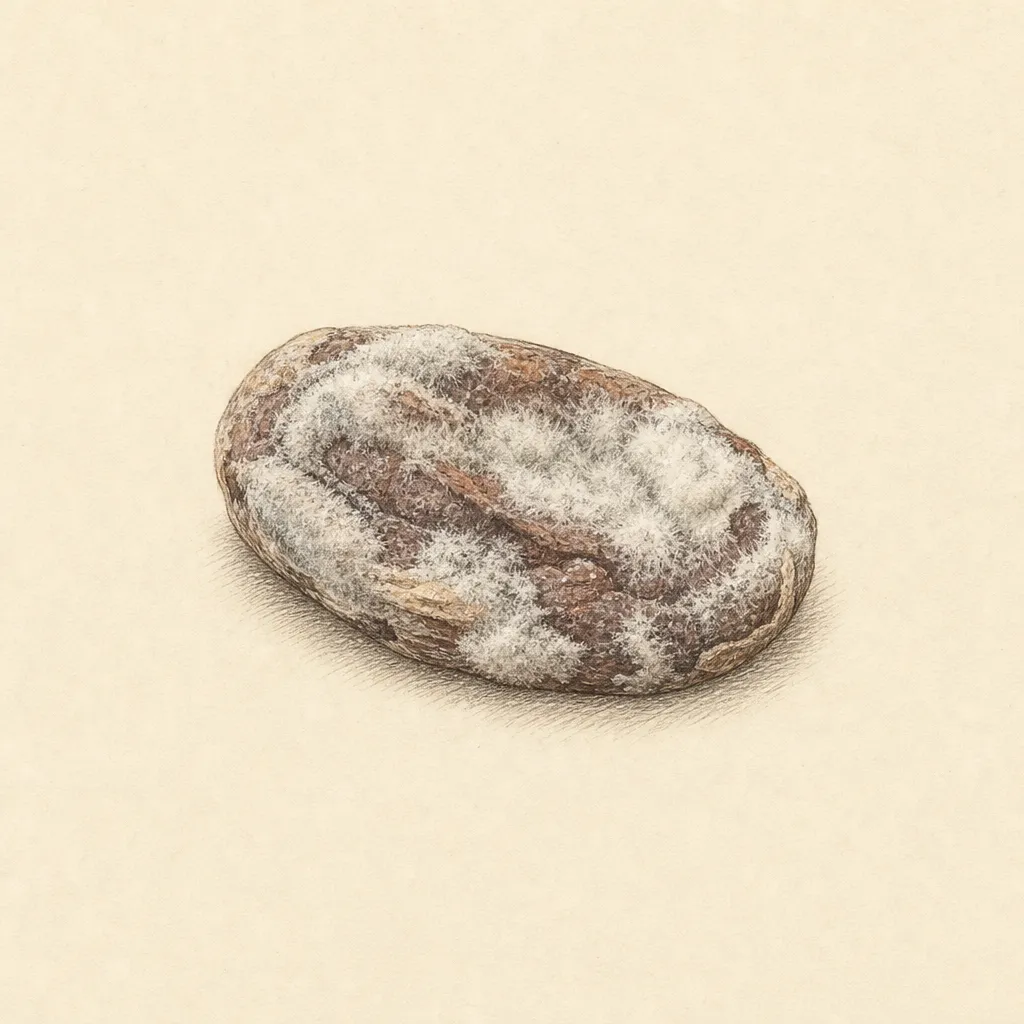
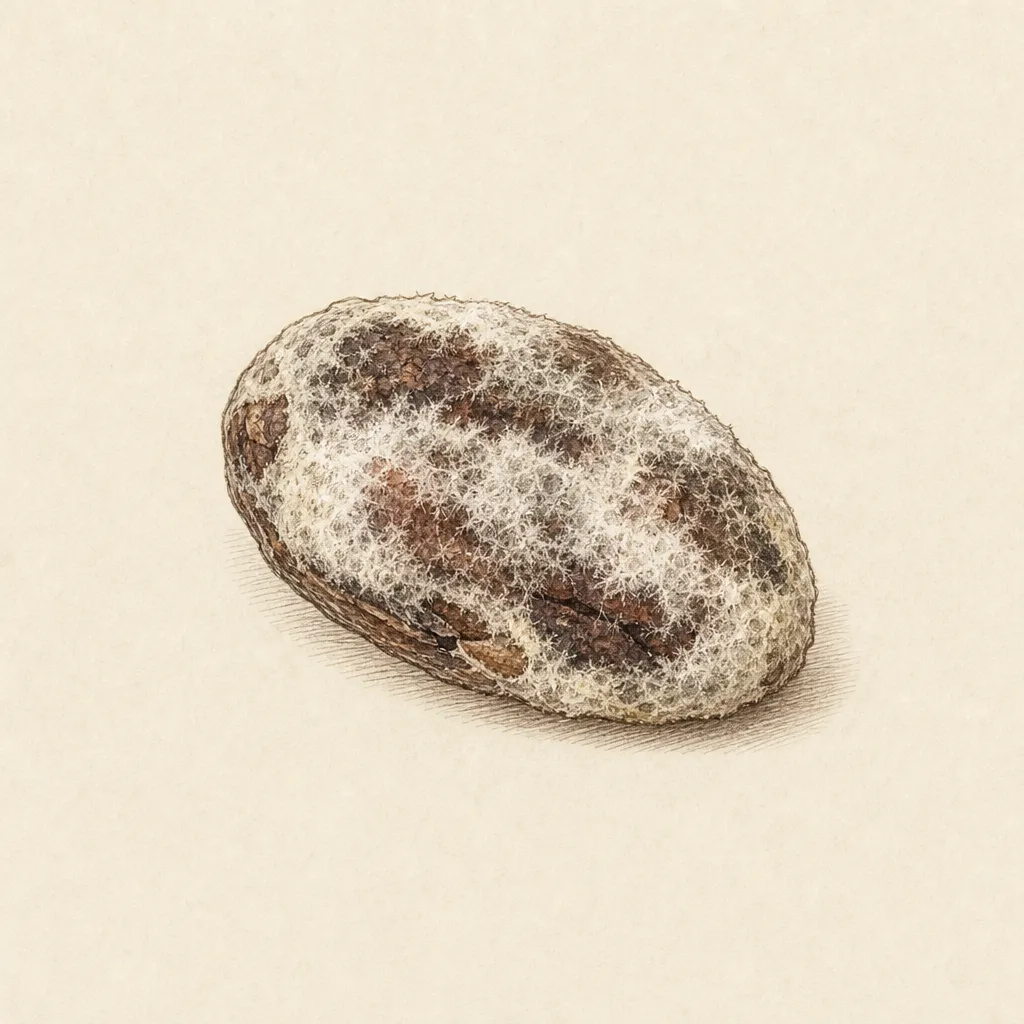
Illustrated cacao bean with heavy mold coverage

Mold, moisture,
and cacao beans.

If you take good cacao and give mold every reasonable advantage, do the beans become toxic? In this study, cacao was pushed into the kind of ugly, mold-friendly conditions no chocolate maker wants to see: moisture, darkness, room temperature, and time. The goal was not to prove the beans were fine. The goal was to give the problem room to show itself, then test whether the common dangerous mycotoxins actually appeared.

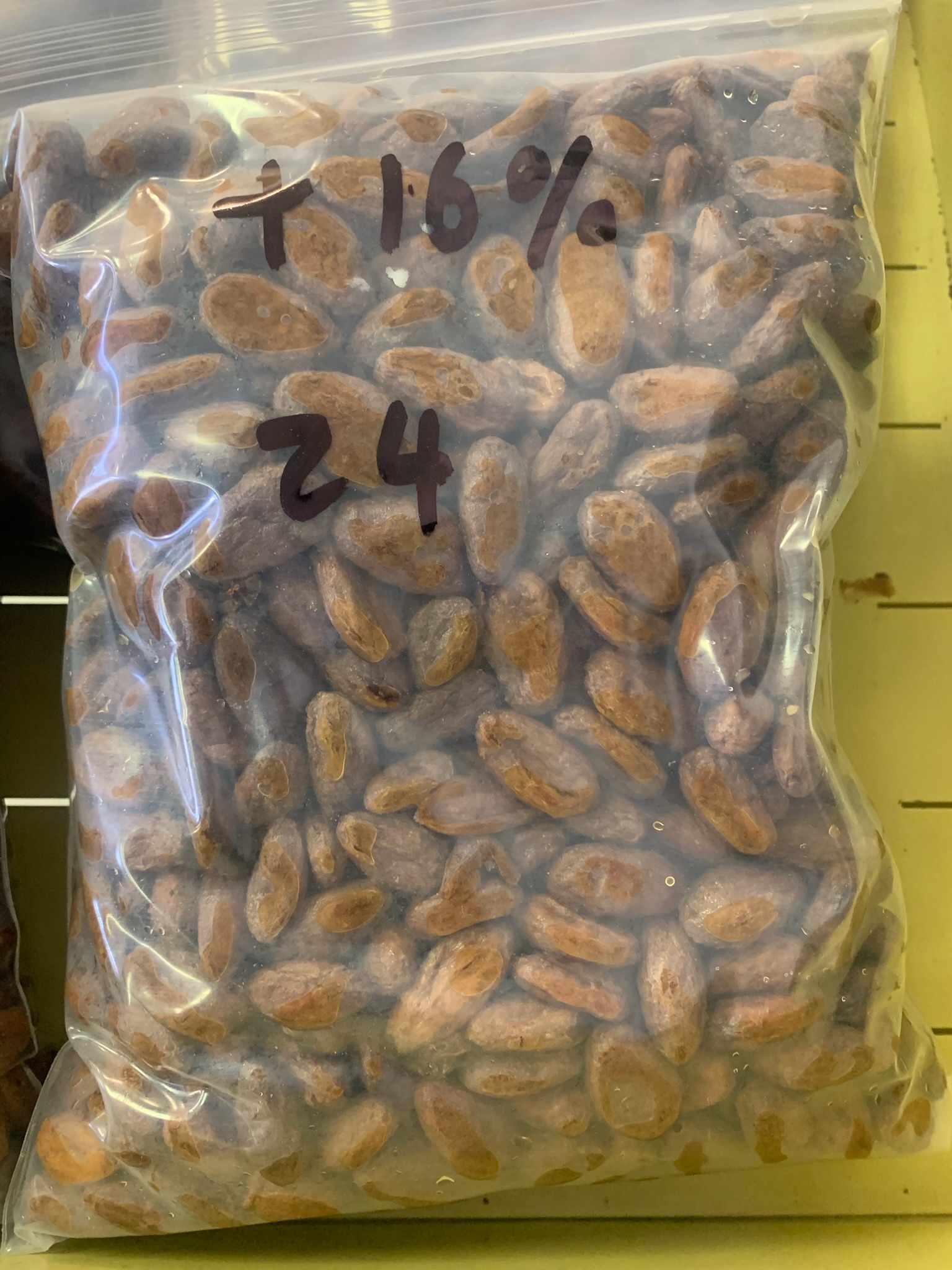
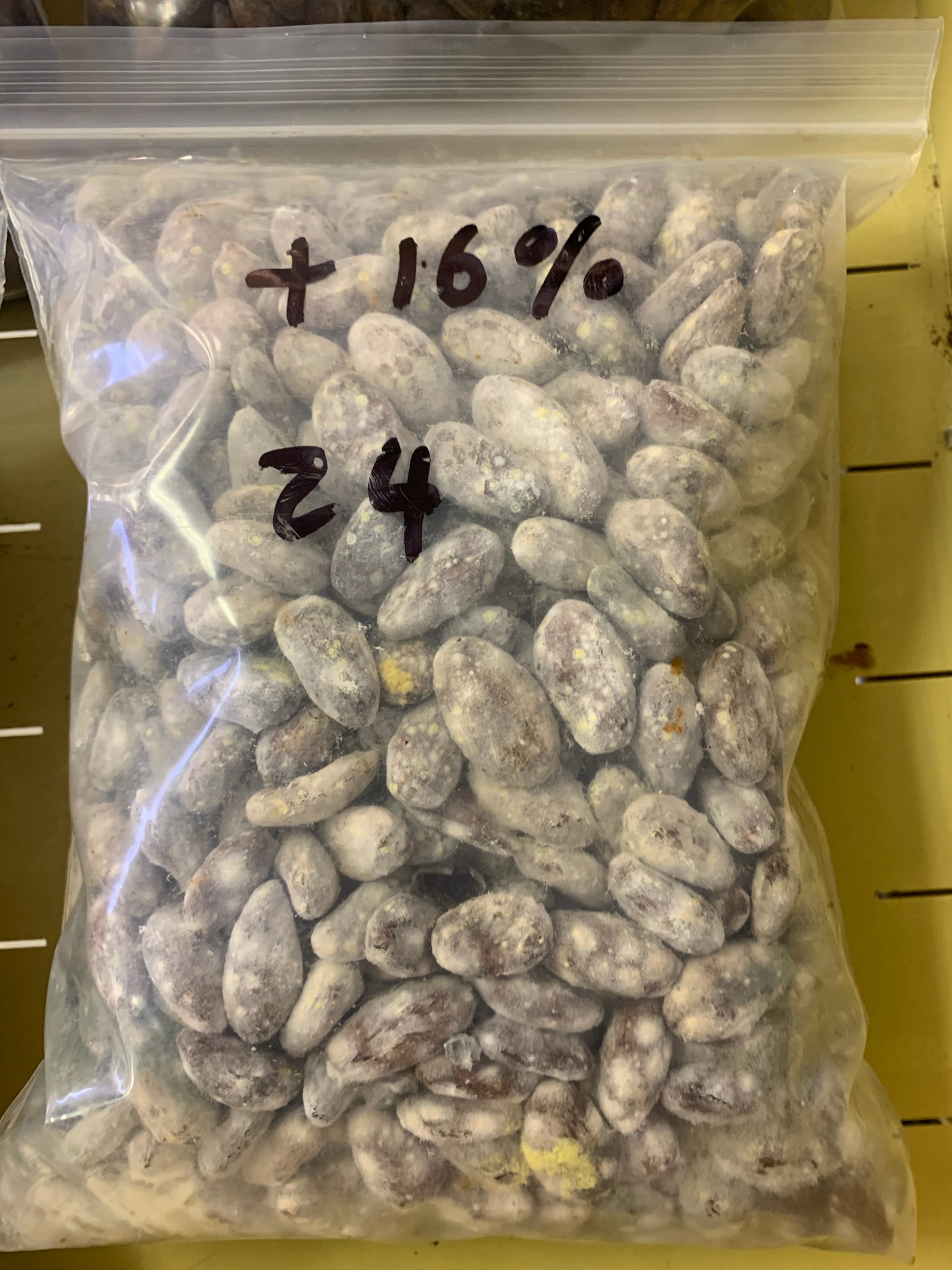
Cacao beans in a bag with heavy white mold coverage
M24 at the end of weekly observation: the most dramatic visual sample in the study.
Plate I

Fermentation is care

Properly fermented foods do not just happen.

The correct conditions encourage the cultures we want and discourage the cultures we do not want. Bread, kimchi, sourdough, alcohol, cheese, and cacao all depend on that same basic principle.

Toxins do not simply happen either. They require particular sets of circumstances, and in many food systems the resulting product smells or tastes bad long before anyone wants to eat it.

The concern here is cacao beans and chocolate. Cacao is fermented by a host of microorganisms, but molds are not part of the normal succession that turns raw cacao into good fermented cacao. Good cacao conditions tend to inhibit mold rather than invite it.
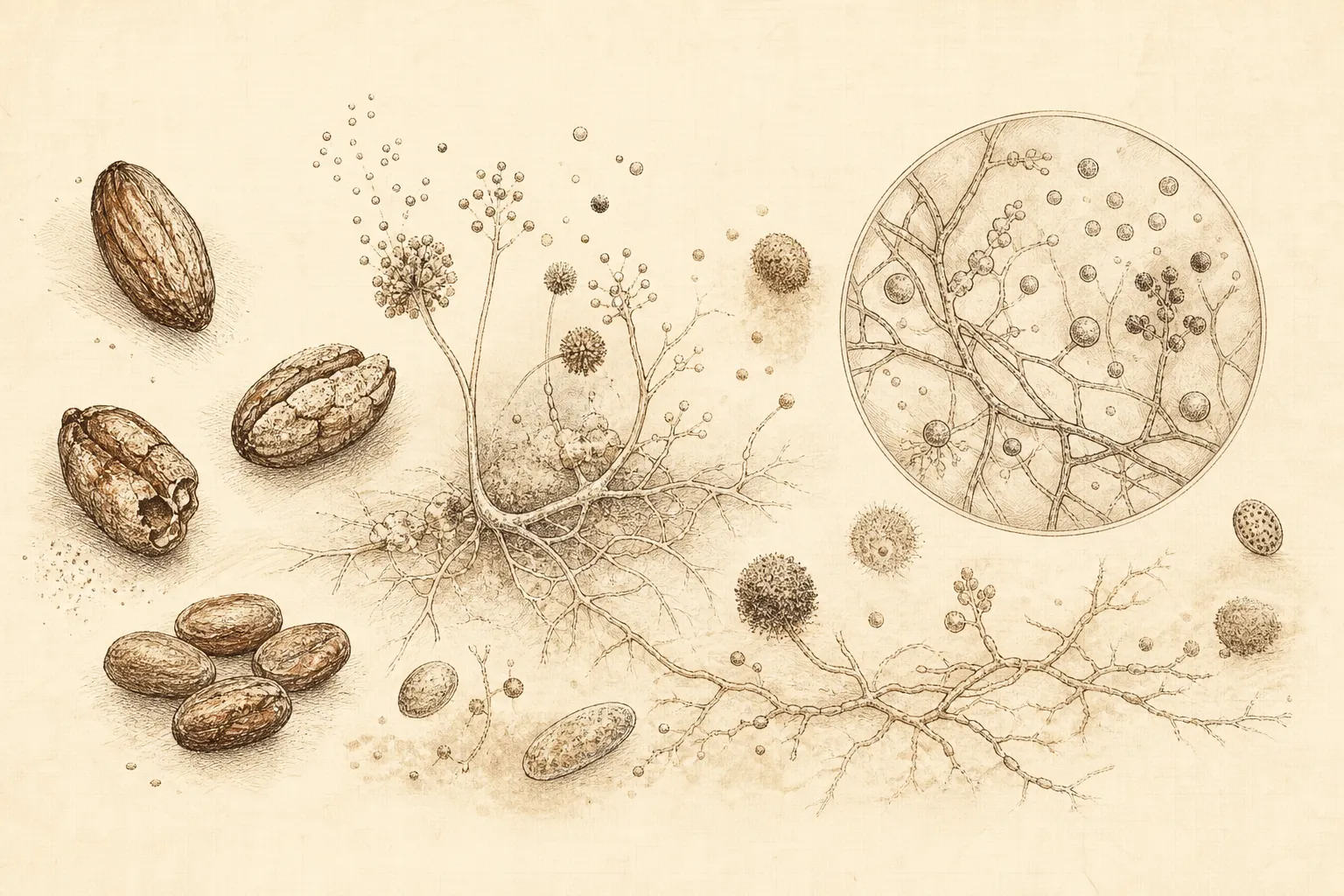
Plate II

The travels of a mold spore.

1

A spore drifts.

It moves through the ordinary world, riding air currents, clinging to dust, and settling on surfaces like cardboard, cloth, shelves, counters, jars, tools, hands, clothing, and shipping materials.

2

It lands on a bean.

Most landings are only contact: a dry husk, a dormant spore, no meaningful change.

3

Then conditions decide.

When moisture rises, the question changes from “did a spore land?” to “can it wake up and grow?”

Plate III

The study had two jobs.

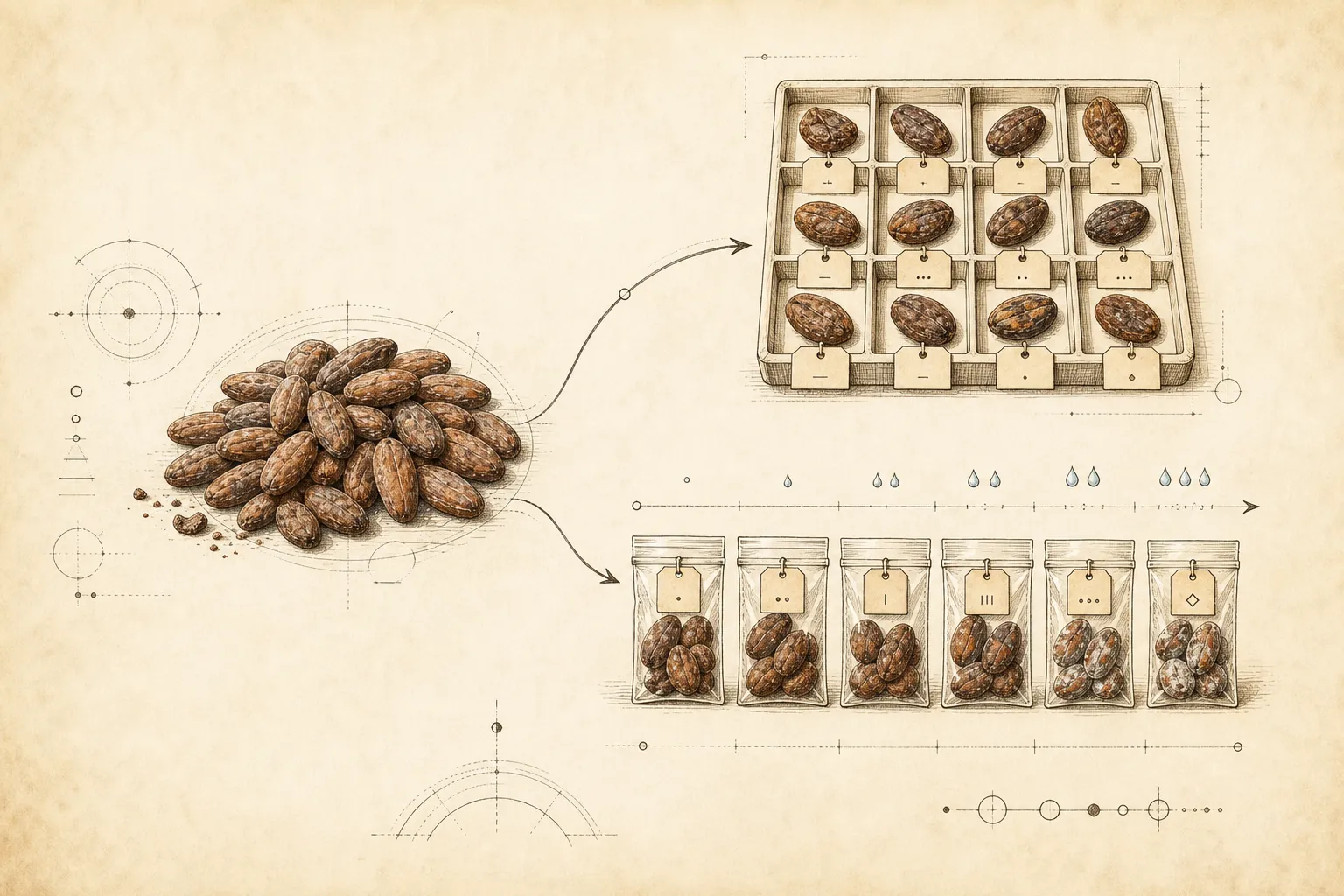
First, establish whether a range of real cacao samples carried detectable background toxins. Second, force one average sample into conditions that encouraged mold growth and see what happened.

Notebook-style diagram showing cacao samples branching into baseline screening and moisture-challenge paths
One study split into two tracks: a baseline screen of real cacao samples, and a forced moisture challenge on one average sample.
Track one / baseline screen

What was already there?

Twelve raw cacao samples were sent for the toxin panel before the moisture challenge began.

  • Cacao from 12 countries was sampled raw, husk on.
  • 10 samples came from good-tasting stock.
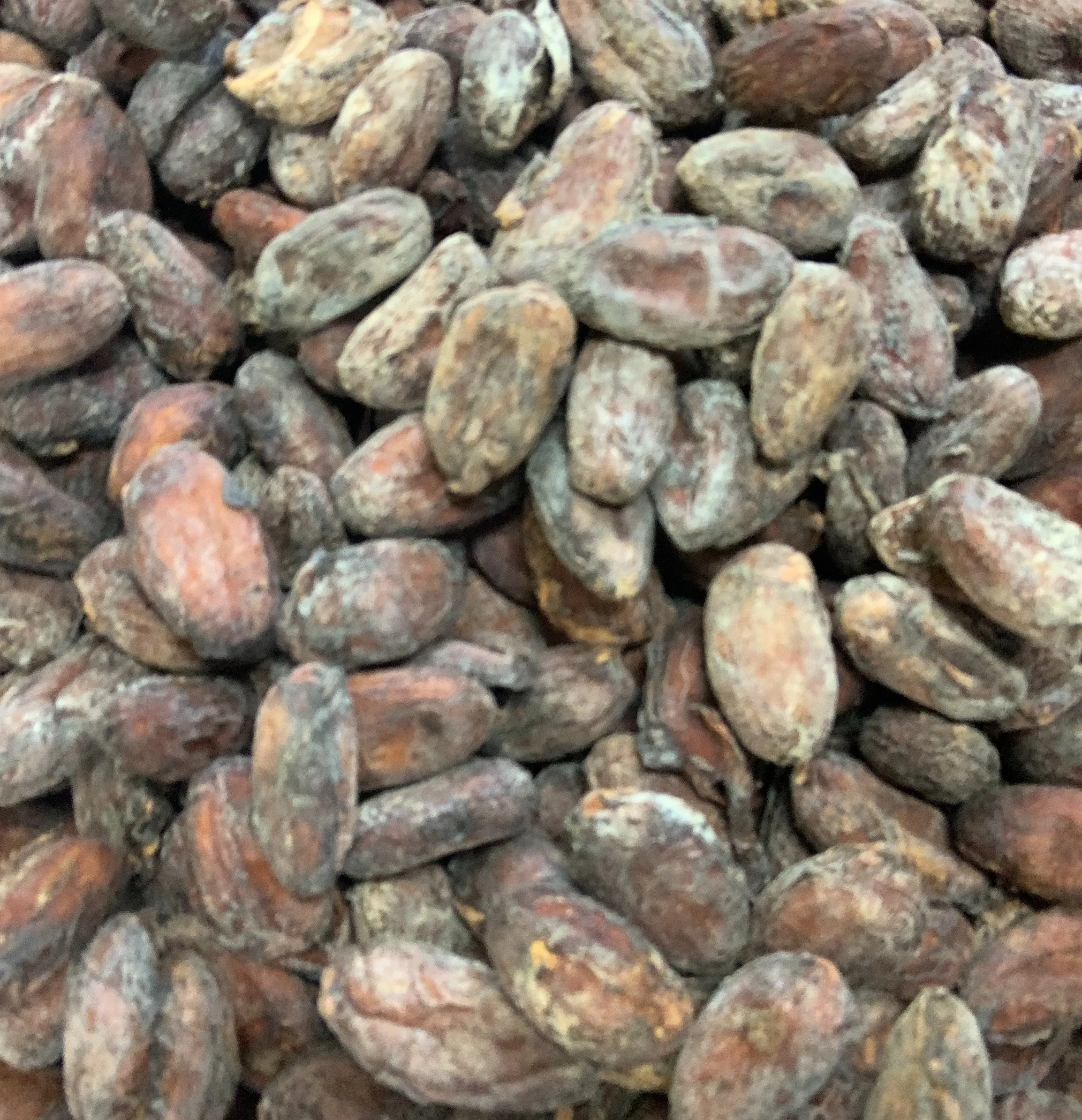
  • 2 samples came from rejected stock with off flavors, included as higher-risk candidates because those flavors can suggest fermentation, drying, or storage defects where toxins might be more likely. One, shown below, had visible signs and aromas of classic mold.
  • The samples ranged from visually clean beans to beans with white residue.
  • Origins are withheld so one sample cannot be misused as a universal claim, such as "cacao beans from [origin] that show mold are toxin free."
Close view of raw cacao beans with visible pale mold residue
Rejected stock included as a higher-risk baseline sample before the forced moisture challenge.
Overview of prepared moisture-study cacao bags
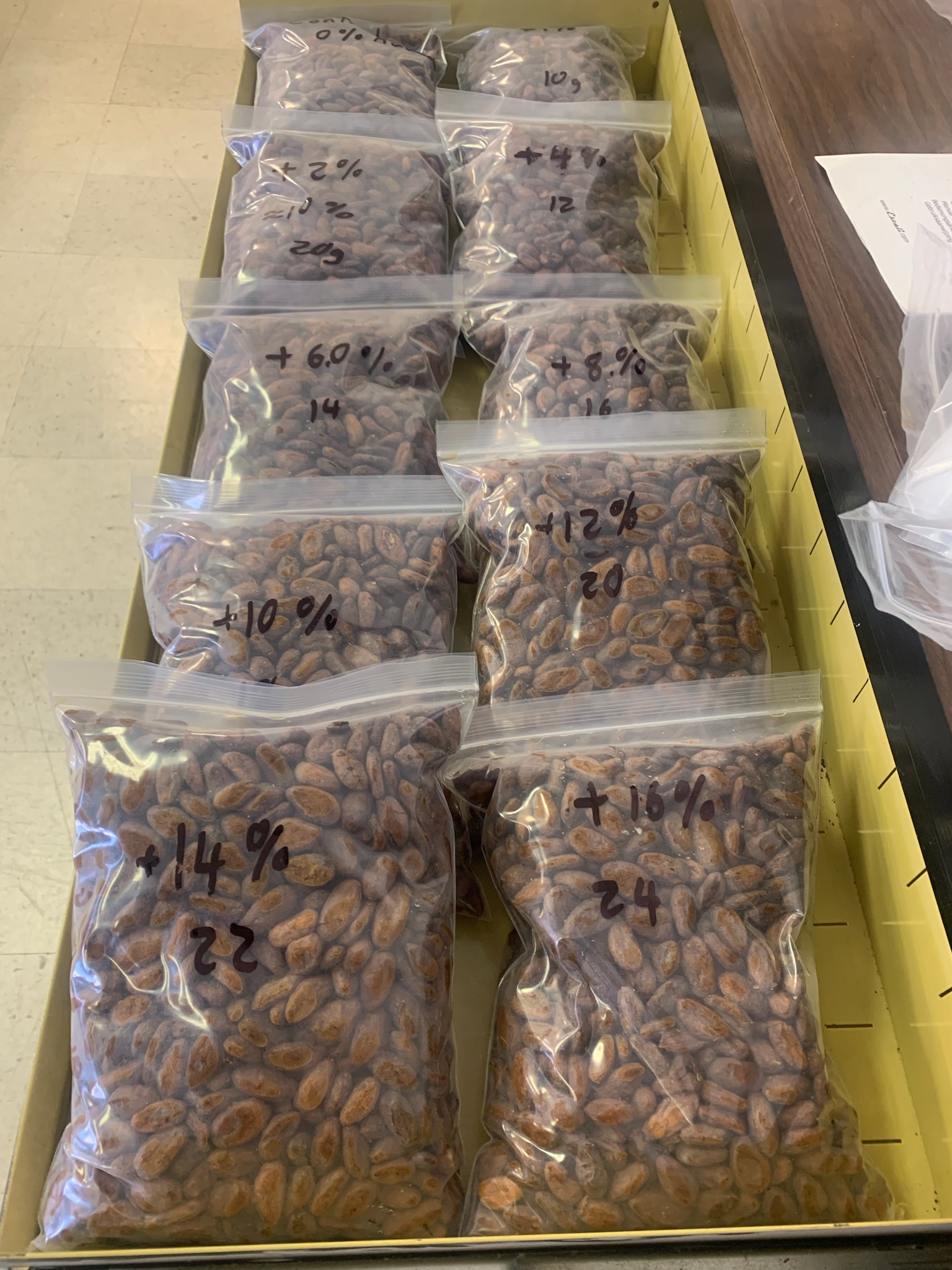
Setup record: one cacao sample divided into a controlled ladder of added water.
Track two / moisture challenge

What happens when mold is encouraged?

One good-tasting average-preparation sample was pushed into conditions that encouraged visible mold growth.

  • Ten 1 kg bags were prepared from about 8% to 24% total moisture.
  • The bags were stored at room temperature in the dark.
  • They were observed and photographed roughly weekly for 13 weeks.
  • Finished samples were dried, analyzed, roasted, and made into chocolate.

Plate IV

The variable was water.

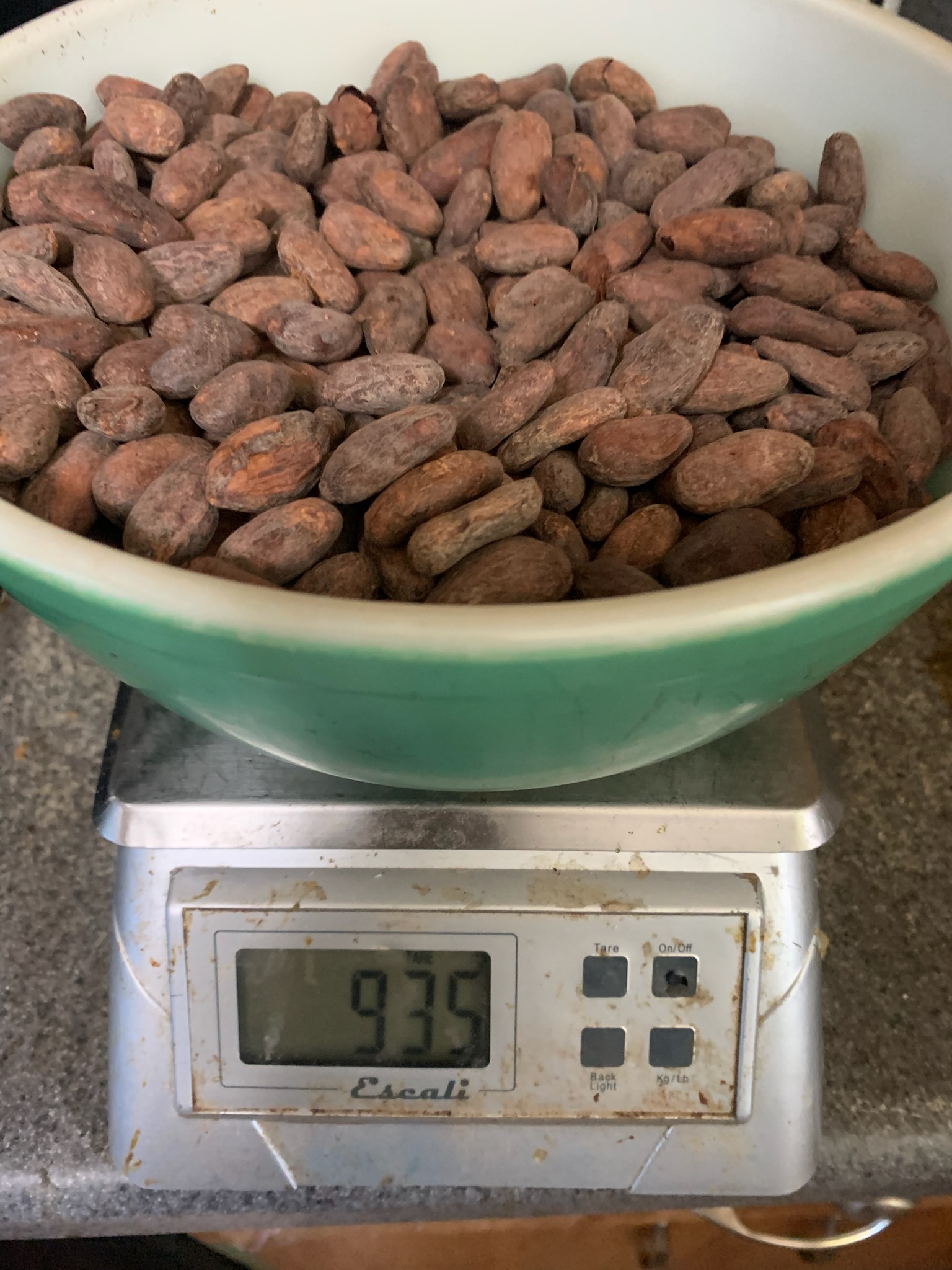
Two 1 kilogram samples were dried at 105 C for 24 hours to determine starting moisture content. The average came out to about 8.05%, rounded to 8% for the study.

M means target total moisture.

M08 means the control bag at about 8% total moisture.

M24 means the highest-moisture bag at 24% total moisture.

Numbers written on the bags often show added moisture points, so +16 maps to M24.

pH also affects mold growth, but it was not adjusted as a separate variable in this trial. The ladder below isolates the factor changed on purpose: water.

Cacao sample on a scale during moisture-study preparation
Moisture determination and reference weighing during setup.
M08 8% total 0g water / +0 points

Control sample.

M09 9% total 10g water / +1 points

One point above baseline.

M10 10% total 20g water / +2 points

Two points above baseline.

M12 12% total 40g water / +4 points

No visible mold across the study.

M14 14% total 60g water / +6 points

White surface growth begins.

M16 16% total 80g water / +8 points

Transition range.

M18 18% total 100g water / +10 points

Steady white growth.

M20 20% total 120g water / +12 points

Strong visible growth.

M22 22% total 140g water / +14 points

Full white coverage, later green/yellow growth.

M24 24% total 160g water / +16 points

Most extreme growth, including brown mold.

Field Timeline

The record unfolded over sixty-seven days.

The archive uses series codes for provenance, but elapsed time is the useful reading frame: setup, equilibration, weekly observation, and the final bench inspection.

Day 1 S01 / Aug 2

Setup

Moisture ladder prepared and first bag-face documentation recorded.

Day 2 S02 / Aug 3

Equilibration

Twenty-four-hour check after the added water had equilibrated in the bags.

Day 9 S03 / Aug 10

First weekly check

High-moisture bags begin to carry the visual story.

Day 23 S04 / Aug 24

Visible bloom

White surface bloom becomes obvious in the upper-moisture samples.

Day 37 S05 / Sep 7

Separation

Higher-moisture bags separate visually from the low-moisture controls.

Day 44 S06 / Sep 14

Dense coverage

The highest samples show dense coverage; front and back bag views become useful evidence.

Day 51 S07 / Sep 21

Late observation

The same physical bags are still being tracked as colored growth begins to emerge, including green and yellow areas.

Day 58 S08 / Sep 28

Final bag series

Final broad bag checkpoint before selected beans are pulled for closer inspection.

Day 67 S09 / Oct 7

Bench inspection

Selected samples, cut tests, and bench-level visual evidence.

Plate V

Visible growth followed the moisture.

After the first day, the lower samples showed no free water. The two highest samples could absorb all the added water, though trace moisture was observed. Over the weeks, white growth appeared first, followed by green-blue, yellow, and finally brown growth in the highest sample.

M08-M12 8-12% total moisture

No observable mold growth for the entire study.

M14-M20 14-20% total moisture

White mold grew steadily, with a little green mold showing in the final weeks.

M22-M24 22-24% total moisture

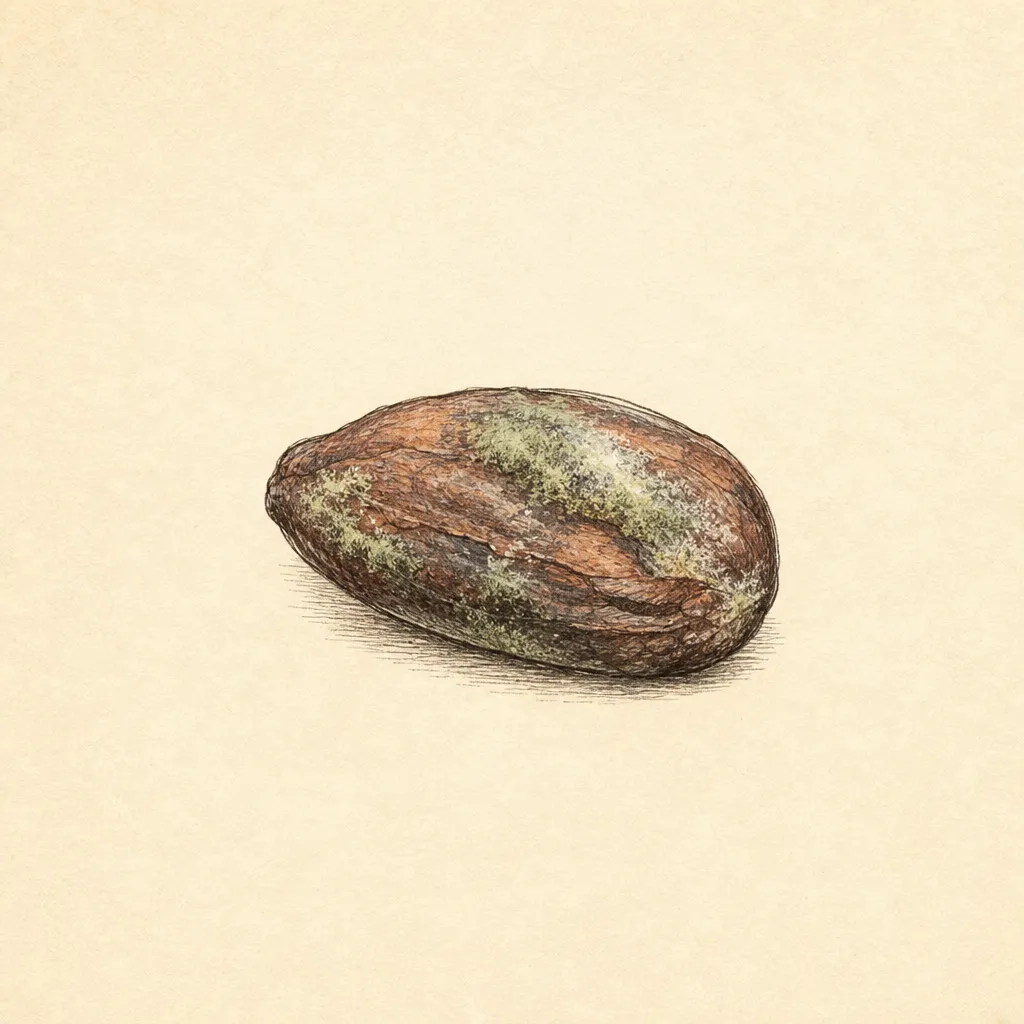
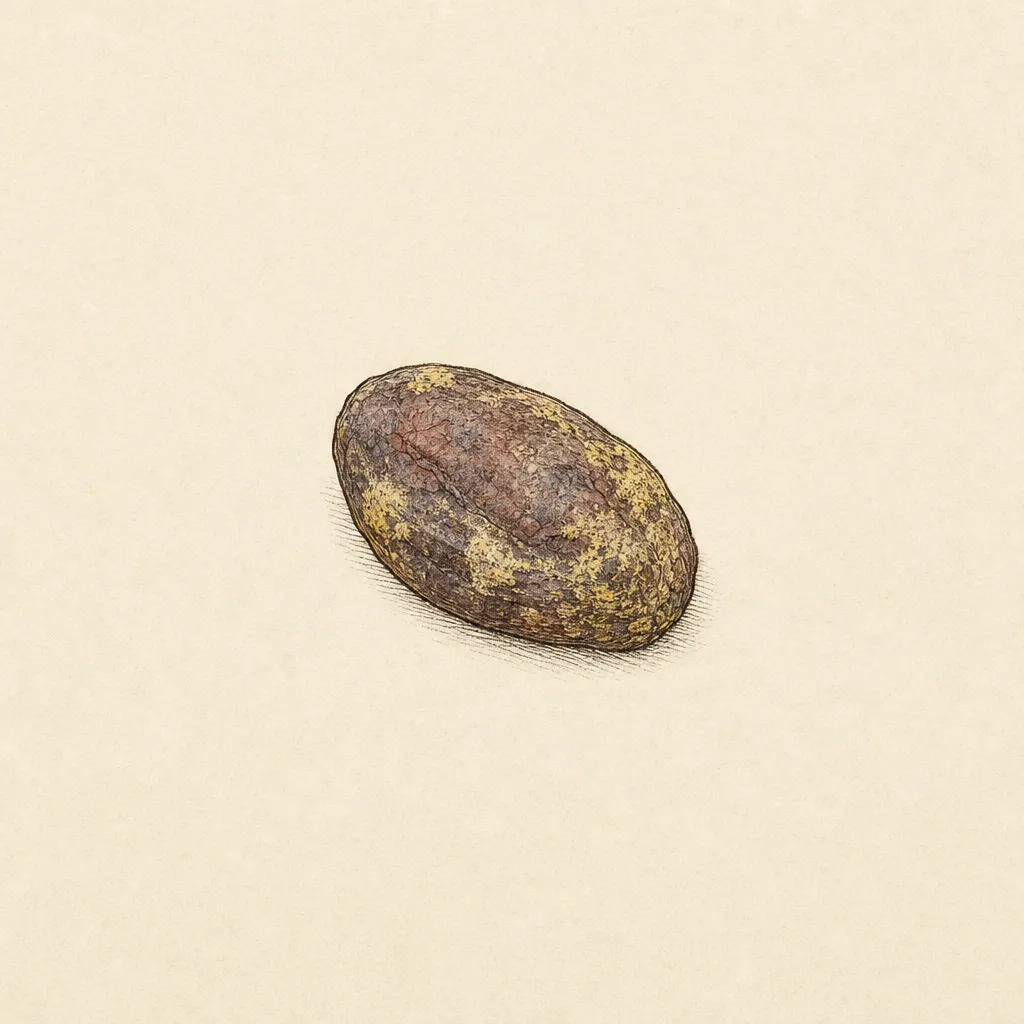
White mold completely covered the beans; green and yellow growth followed as the white growth went dusty.

M24 24% total moisture

A further brown mold was observed in the most extreme moisture sample.

Interactive Archive

Choose a day to follow M24 through time.

This is the same physical M24 bag at each broad checkpoint. The moisture does not change. Only elapsed time changes.

Select a day

M24 cacao sample at Day 1

Plate VI

The study asks three different questions.

Visible molds, unpleasant flavors, and measurable toxins are related concerns, but they are not the same measurement. The surprising result is that the visible mold line climbs sharply while the tested-toxin line stays flat. Surprising also is that in low-mold samples, the flavor of the chocolate changed but was not characterized as unpleasant or bad. Only when mold and mycelium penetrated the bean was flavor clearly compromised.

Visual mold, bad flavor, and tested toxin lines across total moisture Visual mold rises as moisture and observation time increase, bad flavor becomes clear only after internal penetration, and the tested toxin result remains below the limit of quantitation. More moisture + time Concern Visible mold Bad flavor Below LOQ / ND
Visible mold climbs. Flavor concern climbs late. Tested toxins stay below LOQ / ND.

Plate VII

Surface growth and interior penetration were not the same.

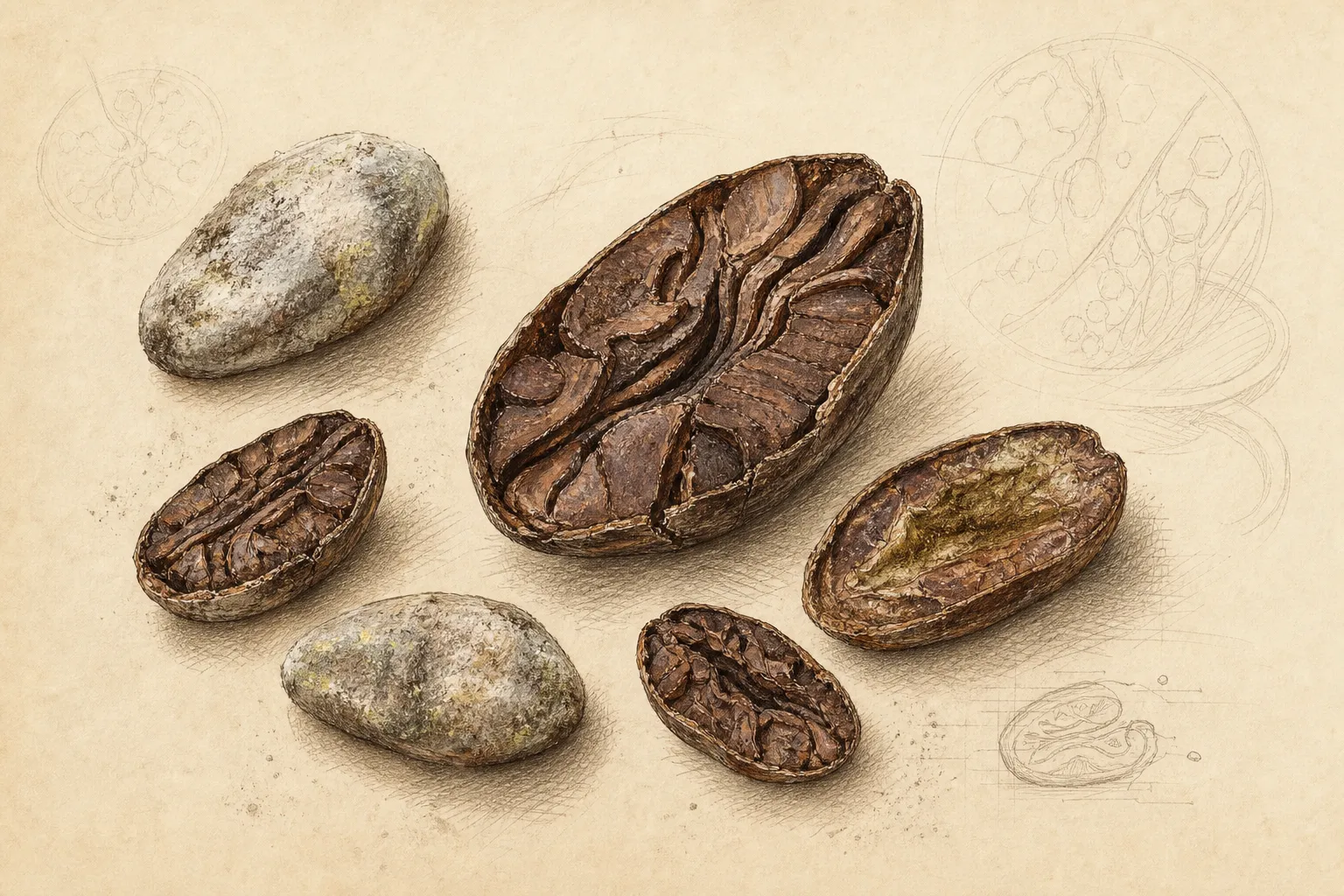
On Day 67, selected beans from each colored mold were cut open. The results were consistent: white mold remained a surface finding, while colored molds behaved differently.

White mold
No penetration was observed, even on the beans with the heaviest growth.
Green mold
Penetration appeared in every sampled bean with green growth.
Yellow mold
Similar to green: penetration appeared in every sampled bean.
Brown mold
Penetration was deep and vigorous.
Day 67 / cut-test matrix Selected beans were opened and compared by the visible mold on the surface.
Day 67 / selected M24 beans The highest-moisture sample supplied the most extreme surface-growth examples.

Plate VIII

The samples became chocolate before tasting.

The mold-growth phase was stopped by drying the samples at 72 C / 162 F for about 12 hours, until the original 1000 g weight was reached. Sub-samples were sent for analysis. The remaining cacao was roasted, cracked, winnowed, and made into chocolate.

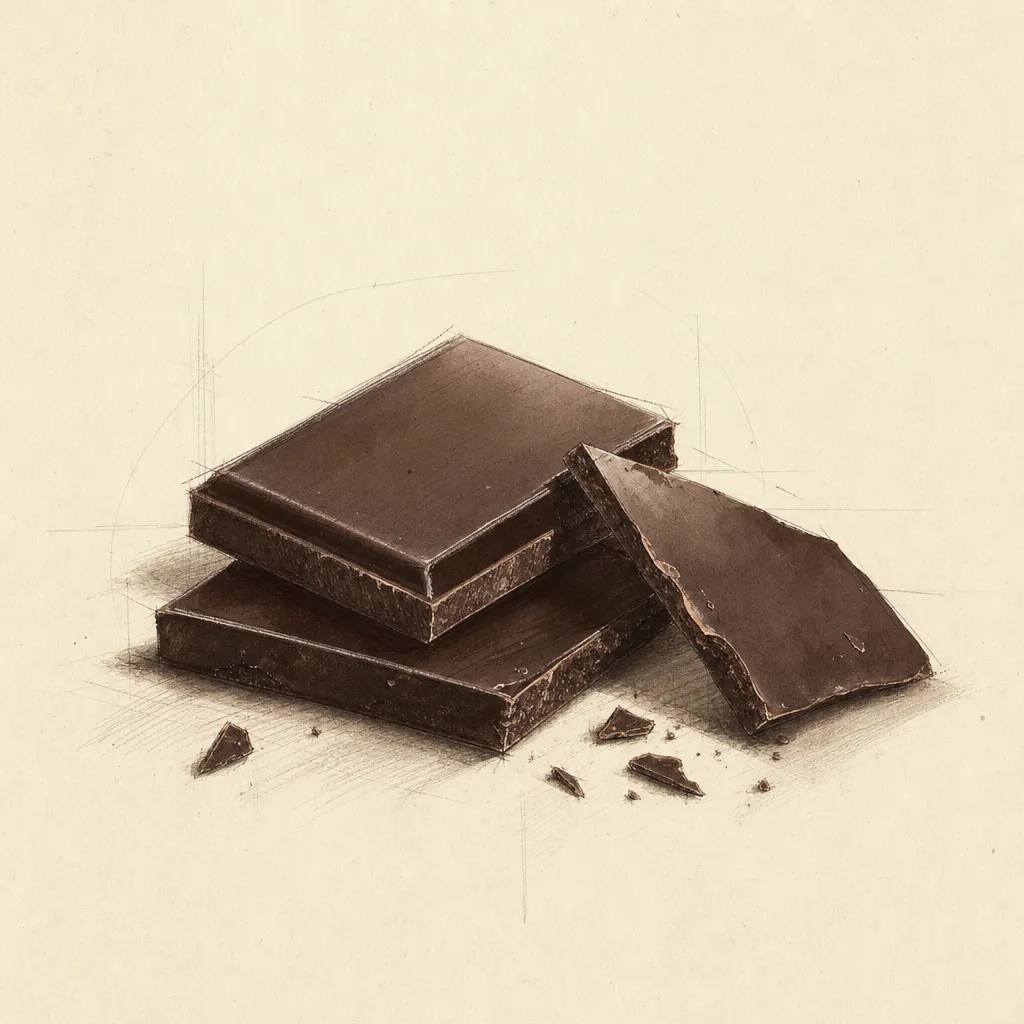
75% chocolate
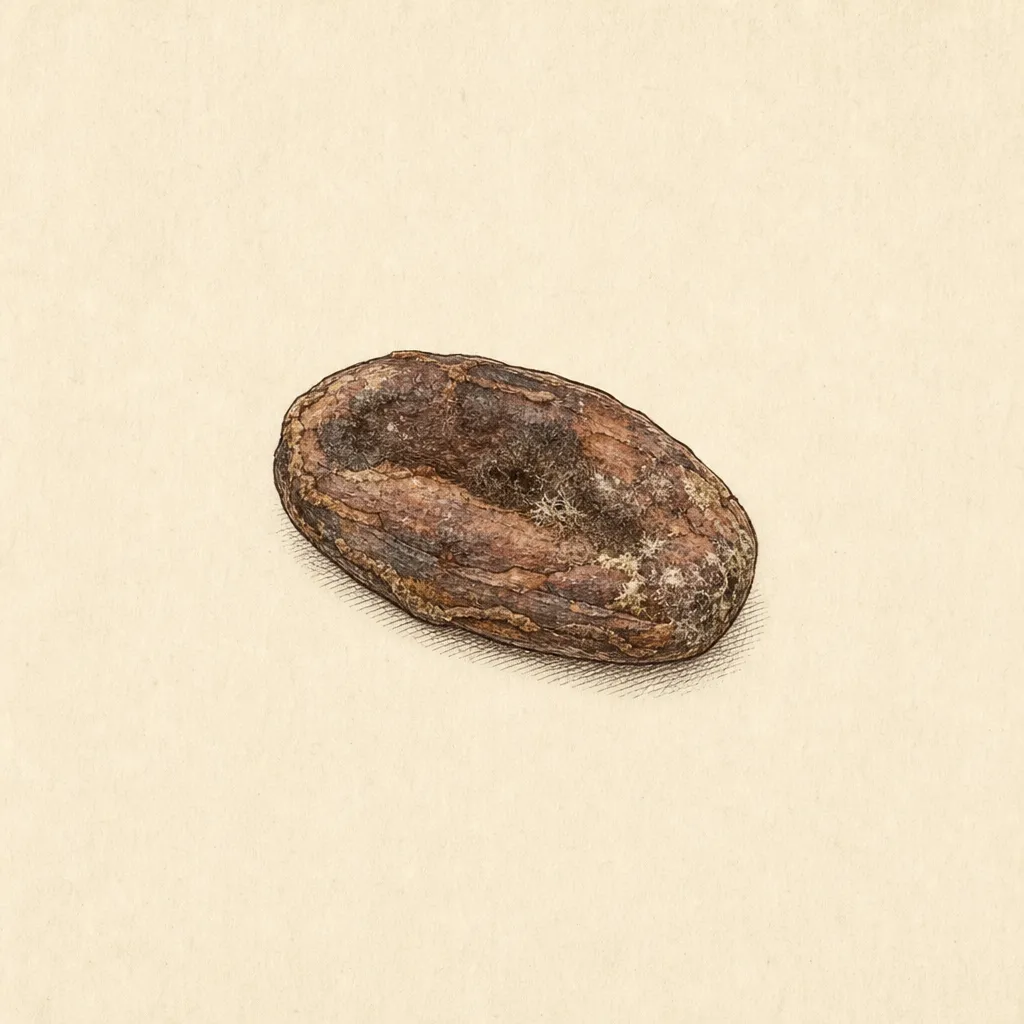
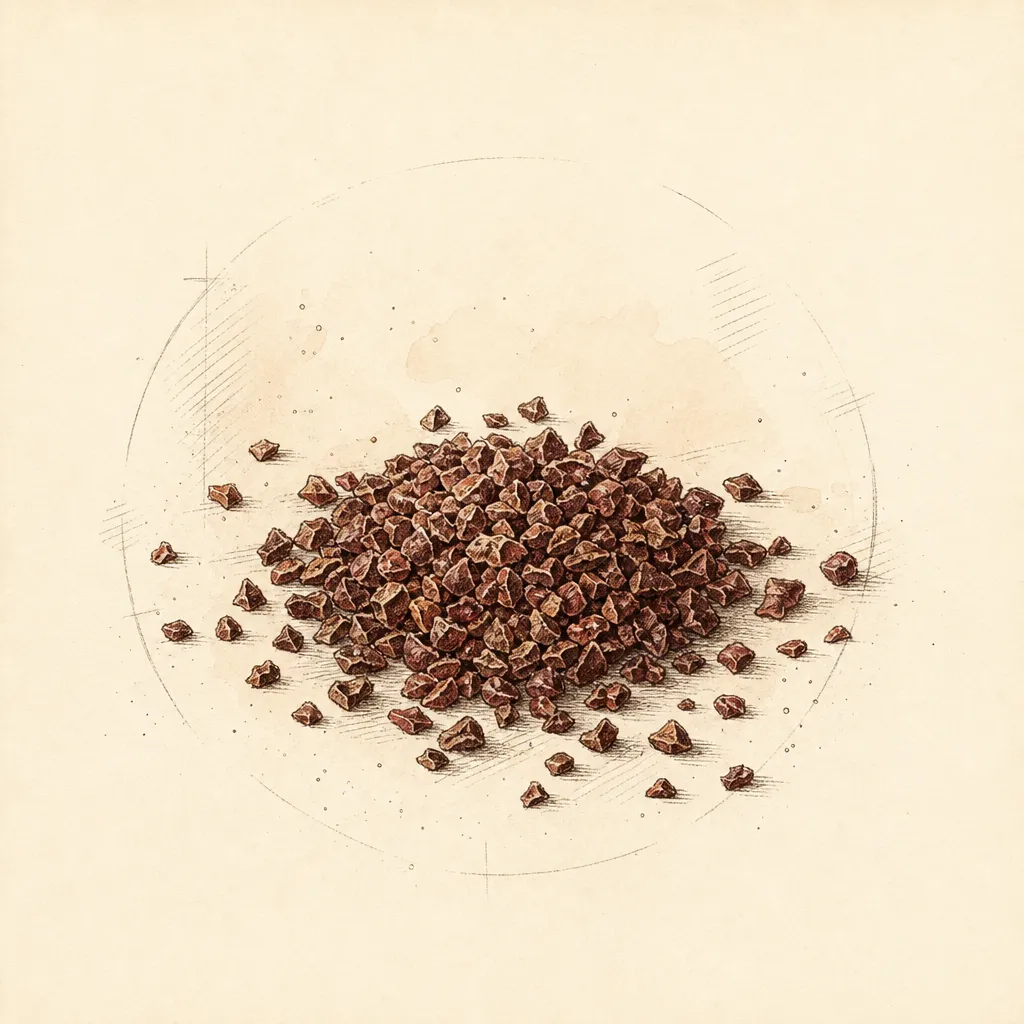
  • Notebook-style illustration: 70% nibs 70% nibs Cacao nibs prepared for refining.
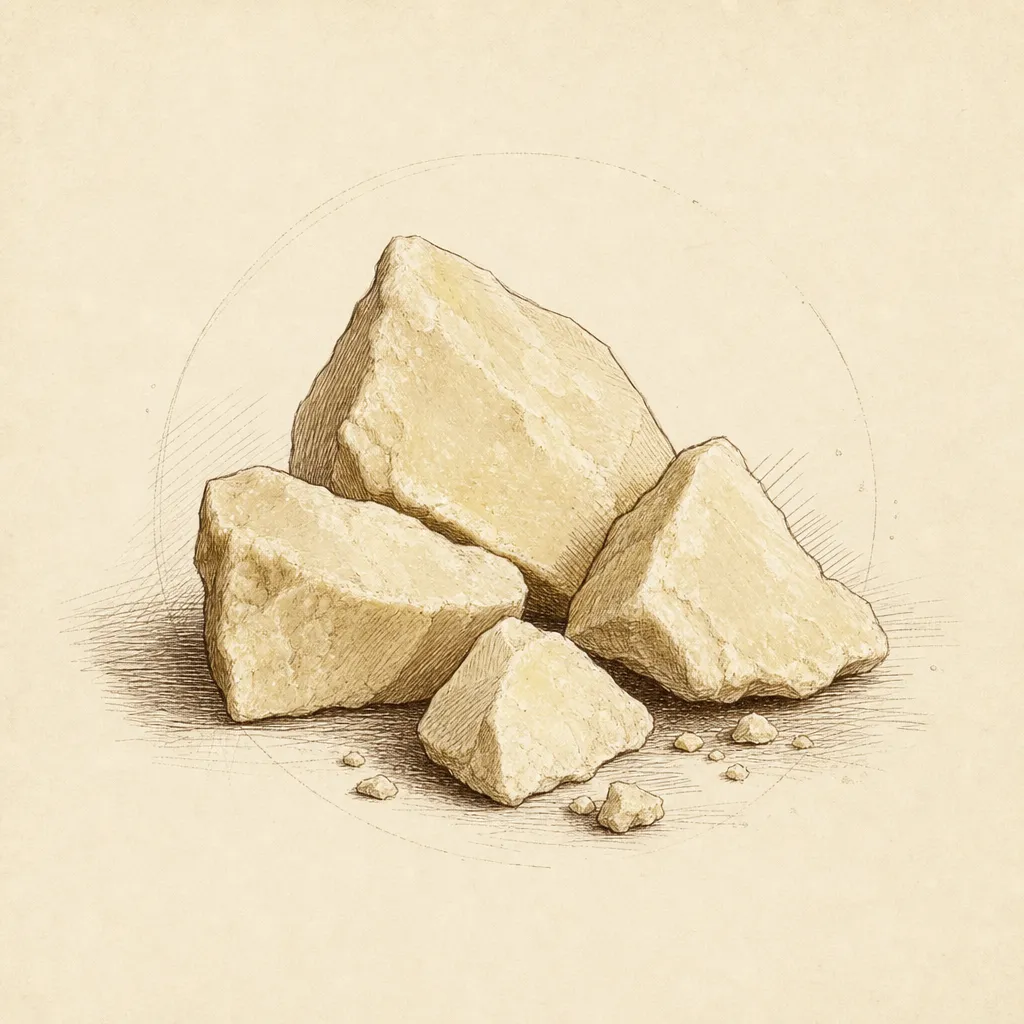
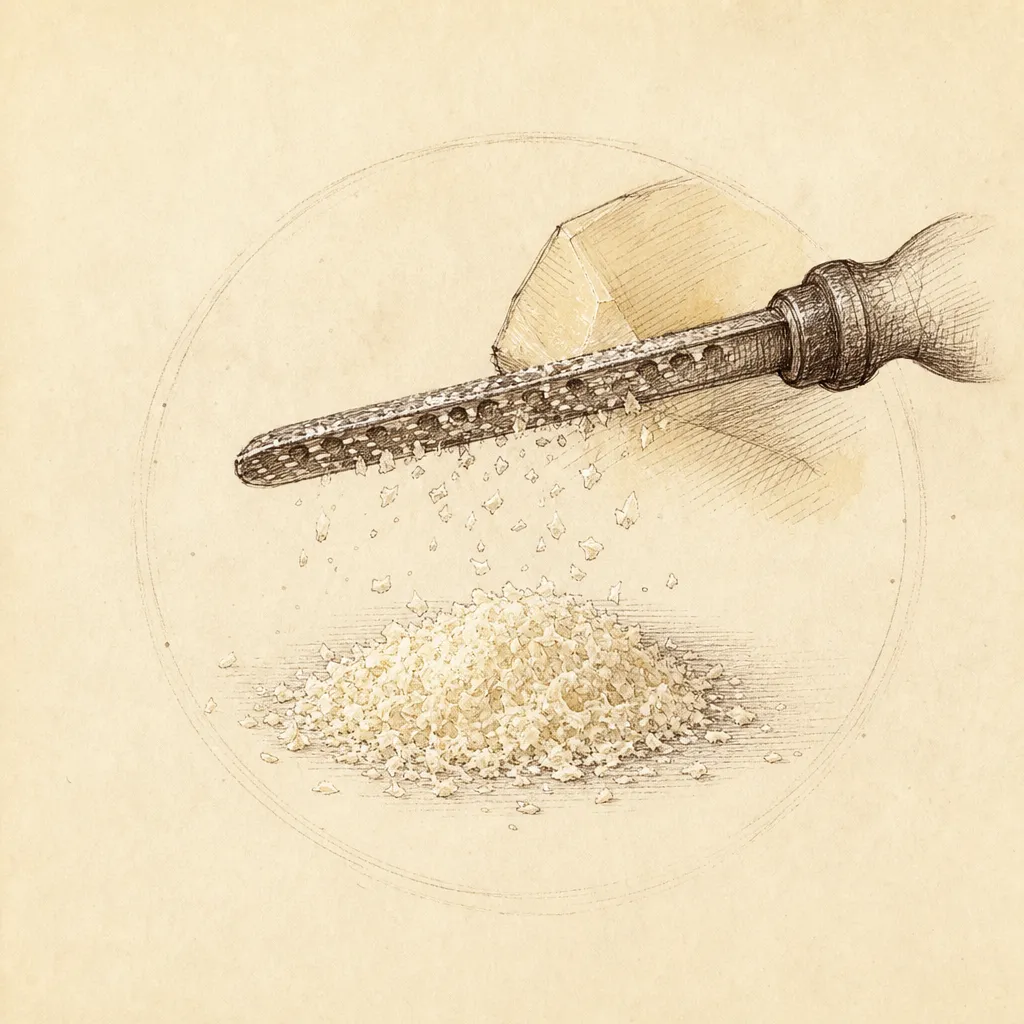
  • Notebook-style illustration: 5% cocoa butter 5% cocoa butter Additional cocoa butter for the 75% formula.
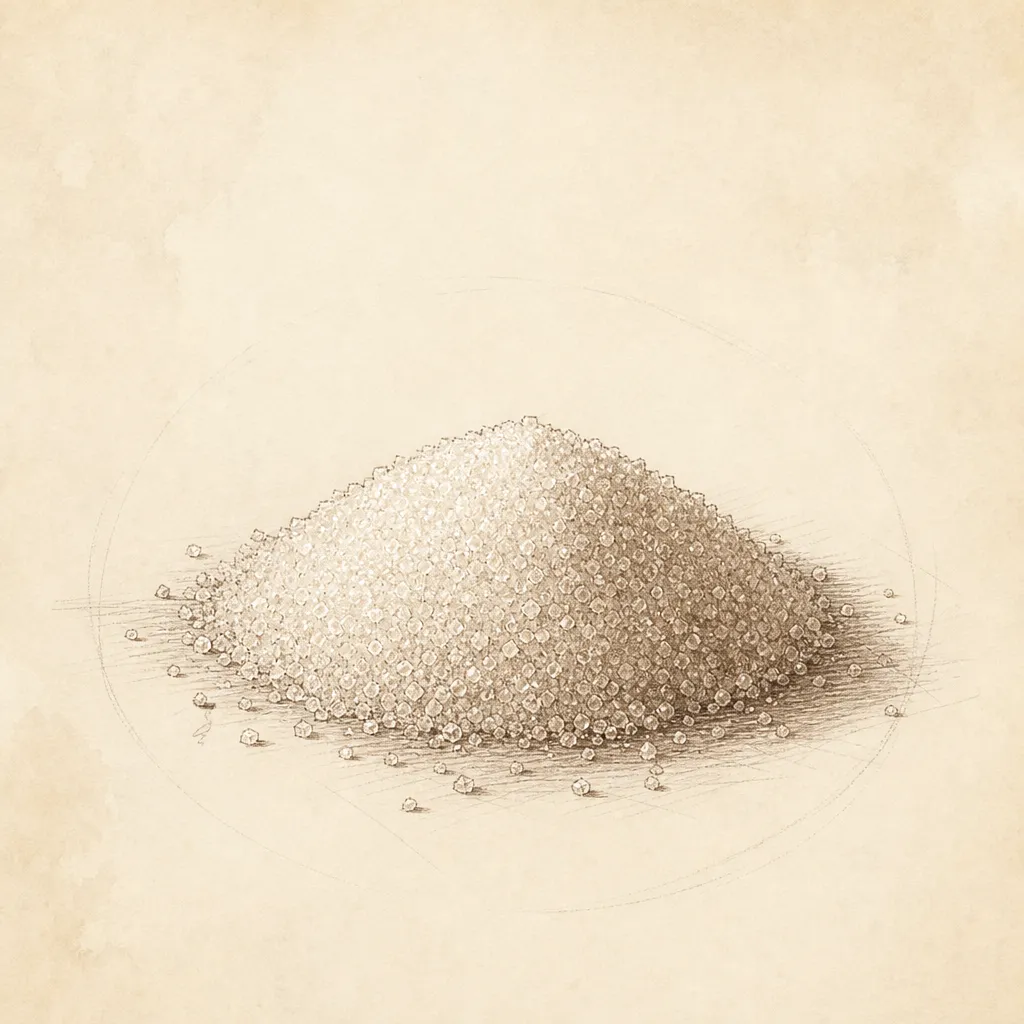
  • Notebook-style illustration: 25% sugar 25% sugar Sugar added as the remaining 25% of the formula.
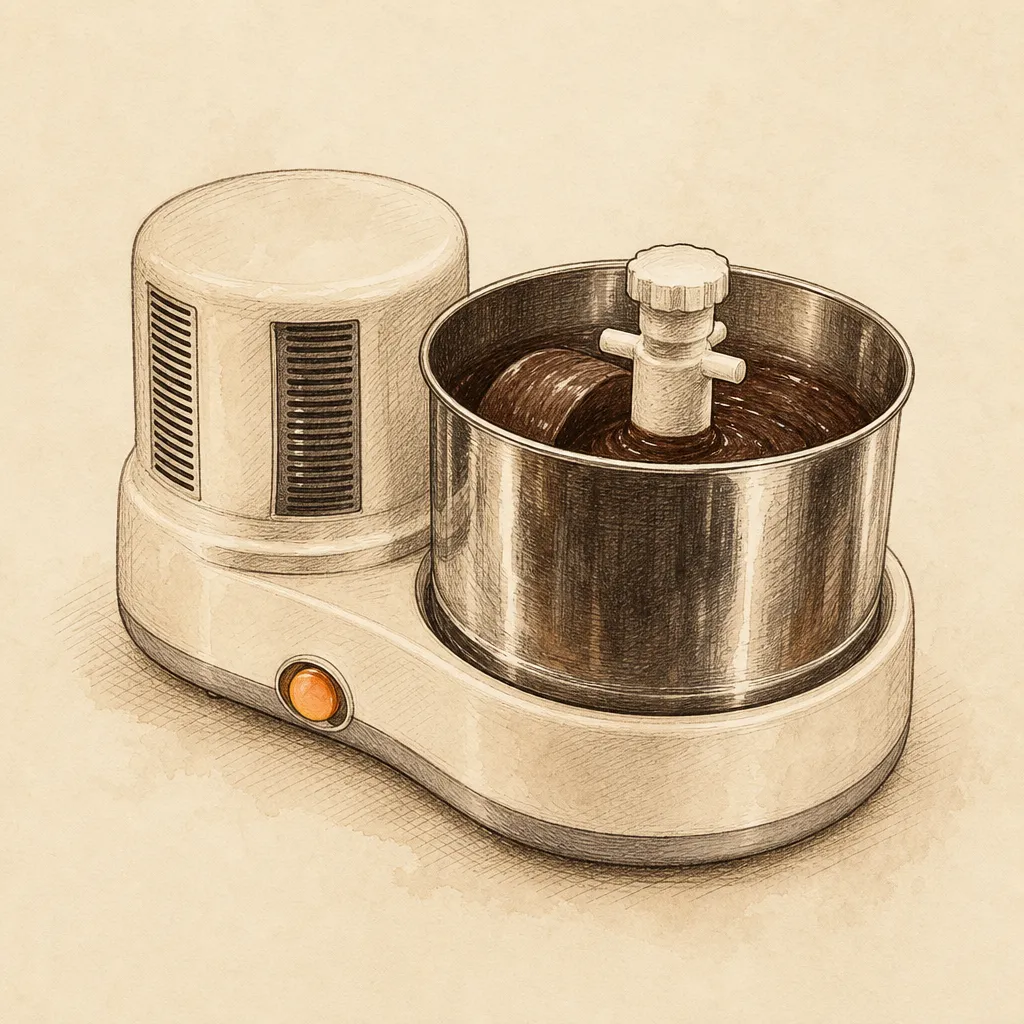
  • Notebook-style illustration: 48 hours refining 48 hours refining Small-batch chocolate refining in a melanger.
  • Notebook-style illustration: 0.5% Cocoa Butter Silk 0.5% Cocoa Butter Silk Used for tempering.
Roasting generally kills molds, and winnowing removes spores. The larger question was whether the toxins that can remain after heat treatment would be found in the raw or finished chocolate samples. Taste testing waited until the toxin results returned.

Plate IX

The lab reported every tested toxin below LOQ.

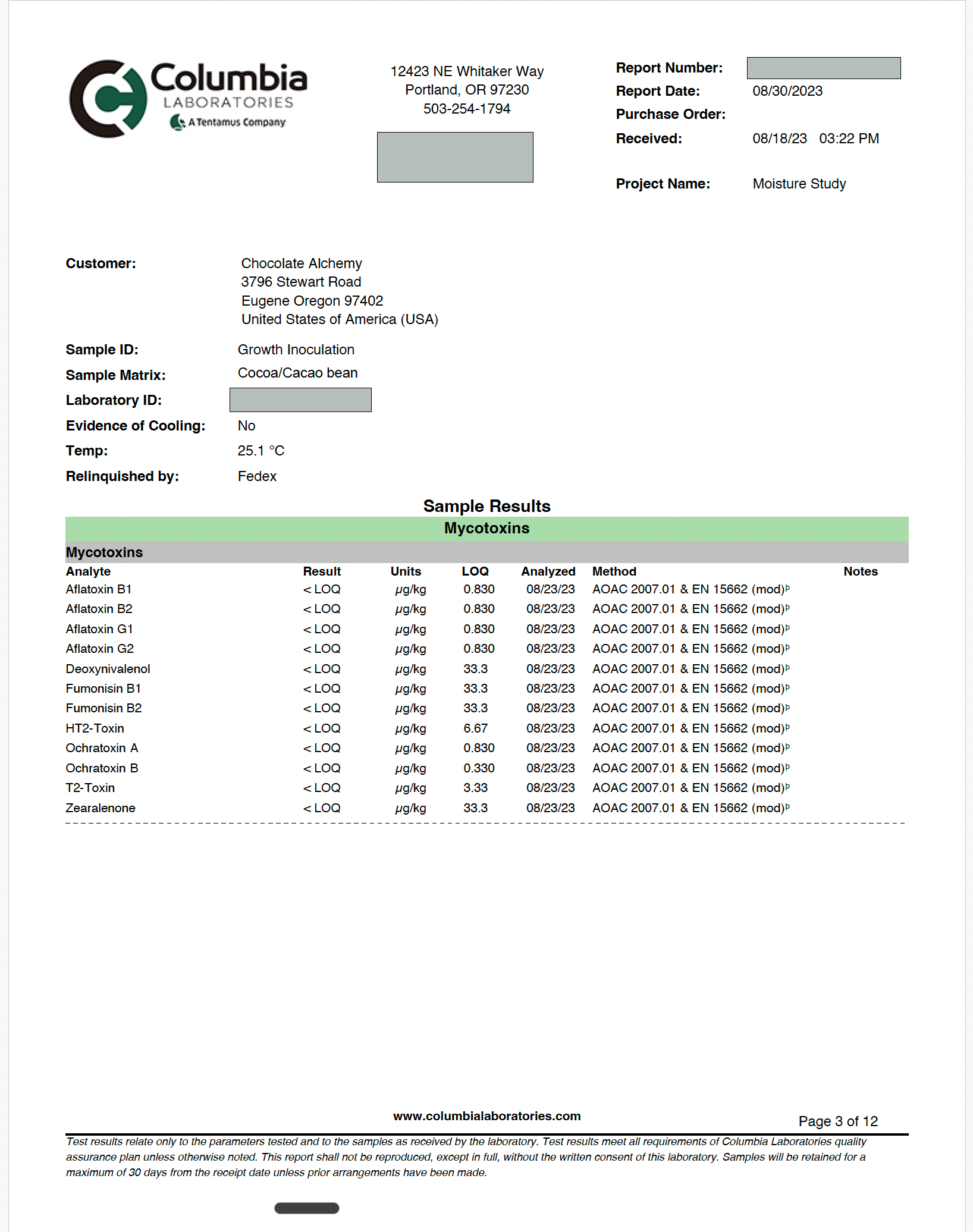
Each sample was analyzed by an accredited laboratory for 12 toxins known to be dangerous to humans. The reports came back as page after page of results below LOQ: less than the laboratory's limit of quantitation. In practical terms for this study, the tested toxins were reported as below LOQ / non-detect (ND).

Notebook-style illustration of moldy cacao beans and cut-open cacao interiors
LOQ means Limit of Quantitation. Below LOQ / non-detect (ND) does not mean zero; it means the lab did not report the toxin at or above its quantitation limit. That is the safety-relevant result of this study, not a universal guarantee for all moldy cacao.
Sample group Scope Panel Result
Raw baseline cacao samples 12 origins 12 mycotoxins Below LOQ / ND
Cultured cacao samples M08-M24 12 mycotoxins Below LOQ / ND
Finished chocolate samples M08-M24 12 mycotoxins Below LOQ / ND
Redacted excerpt from the lab results report View a redacted lab-result excerpt One page from the report, redacted for publication.
Aflatoxin B1Aflatoxin B2Aflatoxin G1Aflatoxin G2DeoxynivalenolFumonisin B1Fumonisin B2HT2-ToxinOchratoxin AOchratoxin BT2-ToxinZearalenone

Plate X

Safe to test did not mean pleasant to taste.

The staff tasting was optional. Everyone joined after seeing the toxin panel come back below LOQ / ND. The hardest part was tasting something that previously looked and smelled like danger while knowing the lab results said otherwise.

M08-M12

Basically tasted like chocolate.

The 8-12% total-moisture samples did not carry meaningful mold character.

M14-M18

Different, but not clearly bad.

Even with lab results in hand, the oddness made people hesitate.

M20

Interesting, aged-cheese-like character.

People were divided because the context was so unusual.

M22-M24

Strong mold notes and odd bitterness.

No one really liked them, but no one needed to spit them out.

Tasting note

The M20 sample showed some really interesting character, not unlike some aged cheeses. Being so out of context, people were divided.

Plate XI

What this study does and does not prove.

Coming full circle, the white residue concern did not become the danger people feared.

First and foremost, this study does not prove that all cacao is safe from mycotoxins if visible mold is present. You cannot prove a generalization, and no positive results are not universal proof. What it does show is a strong weight of evidence: after trying to give mold every reasonable advantage, the tested samples still came back below LOQ / ND.

That included raw baseline cacao from 12 origins, two rejected samples chosen because off flavors might suggest defects, a forced moisture challenge, and finished chocolate made from the challenged beans.

12 baseline origins 2 rejected off-flavor samples M08-M24 moisture challenge Raw, molded, and finished chocolate tested

What it suggests

Cacao should generally be considered low concern for dangerous mycotoxins when it tastes good. When it tastes bad, that is also not a reason to assume it is dangerous. Flavor is still the driving factor.

The remaining gap

The study cultured molds that survived fermentation and drying, or were introduced on the way to Chocolate Alchemy. It did not recreate a bad fermentation or prolonged origin drying failure.

Coming back to the question that started this study, white residue on cacao beans still does not appear to be a reason for panic. If the white residue was mold, it did not penetrate the husk, even after 13 weeks, and none of the common dangerous mycotoxins tested were detected above LOQ. The practical question remains the one chocolate makers already know how to ask: does the cacao look, smell, and taste right?