Skip to Content
Kit of the Month

Chocolate Making Kit of the Month

A new chocolate to make. A new question to explore.

Every month, Noah or John follows a question into a batch of chocolate. What changes when we roast a cacao differently? How much milk lets its character come through? What happens when we bring a little spice into the mix?

We do the recipe development, roast and winnow the cacao, and weigh the ingredients. Your kit arrives with the prepared ingredients and full instructions. You bring the melanger and make the chocolate.

A melanger is required and is purchased separately.

Prepared kit ingredients beside a chocolate melanger
  • 01Prepared and measured ingredients
  • 02Full instructions and roast profile
  • 03Monthly shipping scheduled for the 20th
  • 04Melanger required
October 2026 Kit of the Month

Milk chocolate or semi-sweet? Yes.

October’s kit is a semi-sweet milk chocolate made with Guatemala Kampura cacao. Each kit includes one whole vanilla bean. We roast and winnow the cacao and measure the ingredients. You bring the melanger and make the chocolate.

Why we chose it

Halloween seemed like a good excuse to make a sweeter chocolate. A sweeter recipe also left room for something Noah wanted to try: a whole vanilla bean in every kit. So this month, we’re pairing Guatemala Kampura cacao with milk and vanilla, and giving you a whole bean to play with in your own batch.

OrderingOrder by October 19 to be safe.
ShippingScheduled to ship October 20.
Guatemala Kampura cacao nibs, sugar, milk powder and a vanilla bean on dark wood

A small exploration every month

A cacao origin is only the beginning. Roast, sweetness, milk, cocoa butter and spices can all change the chocolate you make with it. Some months we follow a new bean. Other months we return to a familiar origin and change one part of the recipe to see where it takes us.

Noah or John develops the batch, chooses the approach worth sharing, and turns it into a kit you can make at home. The ingredients and instructions bring you into that exploration, with the sourcing, roasting, winnowing and measuring already taken care of.

You get the pleasure of making the chocolate yourself, and a reason to notice what changed from one batch to the next.

Seven steps

How it works

  1. 1

    Pick your kit.

    Pick your Kit of the Month and decide if you want it once or monthly.

  2. 2

    A new recipe becomes the next kit.

    Each month has a curated recipe. The featured origin, recipe and ingredients change with the exploration.

  3. 3

    Your monthly order runs on the 20th.

    Recurring orders are processed on the 20th of each month, with kits scheduled to ship on the 20th. Shipping and order emails keep you informed about your own shipment.

  4. 4

    Open a prepared set of ingredients.

    The cacao has been roasted and winnowed. The ingredients have been weighed and portioned for the recipe. Read the included instructions before starting.

  5. 5

    Make the chocolate in your melanger.

    Follow the recipe’s warming and ingredient-addition steps, then let the melanger refine the chocolate. Many batches run overnight or for about a day; follow that month’s directions and refine to the texture you want.

  6. 6

    Finish it your way.

    The kit produces untempered chocolate. Temper and mold it for finished bars, or use or store it as the recipe and your plans require.

  7. 7

    Keep exploring at your pace.

    Your subscription continues monthly. You can skip a month or cancel through the subscription controls.

Ordering guidance
17
18
19Order by
20Ships
21

To be safe, place your order by the 19th for that month’s kit. Kits are scheduled to ship on the 20th; this is a planned shipping date, not a guaranteed dispatch or delivery date.

What comes in the kit

Each monthly kit comes fully portioned for that month’s recipe:

  1. 01Roasted and winnowed cacao nibs.
  2. 02Any required sugars or sweeteners.
  3. 03Recipe-specific ingredients such as cocoa butter, milk powder, spices and vanilla.
  4. 04The featured cacao’s roast profile.
  5. 05Full recipe instructions to guide you to a successful batch.
A note on white chocolate

White chocolate kits do not include cacao nibs.

Bowls of cacao nibs, sugar, milk powder, irregular cocoa butter chunks and spice
What you bring

A melanger is essential.

For the smooth texture we expect from modern chocolate, the nibs, sugar and other ingredients need to be ground very fine. That’s the melanger’s job.

You will also need ordinary kitchen equipment and utensils, and access to a home oven for any warming steps in the instructions. A thermometer and suitable molds are useful when tempering and molding your finished chocolate. Equipment, molds and tempering supplies are separate purchases.

The kit removes the need to source a recipe’s ingredients, roast the cacao, remove its shells or weigh every component. You still get to make the chocolate: prepare the machine, follow the addition sequence, refine, and finish your batch.

From the 2026 kits

Real kits, real questions

Five interesting studies.

01 / 05January 2026

The same cacao with a different roast

72% India Idukki Hills

Noah took an origin usually given a lower finishing roast and tried a warmer, more conventional approach. The instructions describe a shift from its brighter, fruitier expression toward a more balanced, familiar chocolate character. Members received the cacao already roasted for that recipe.

What it explores How roasting changes the expression of the same origin.
Developed by Noah
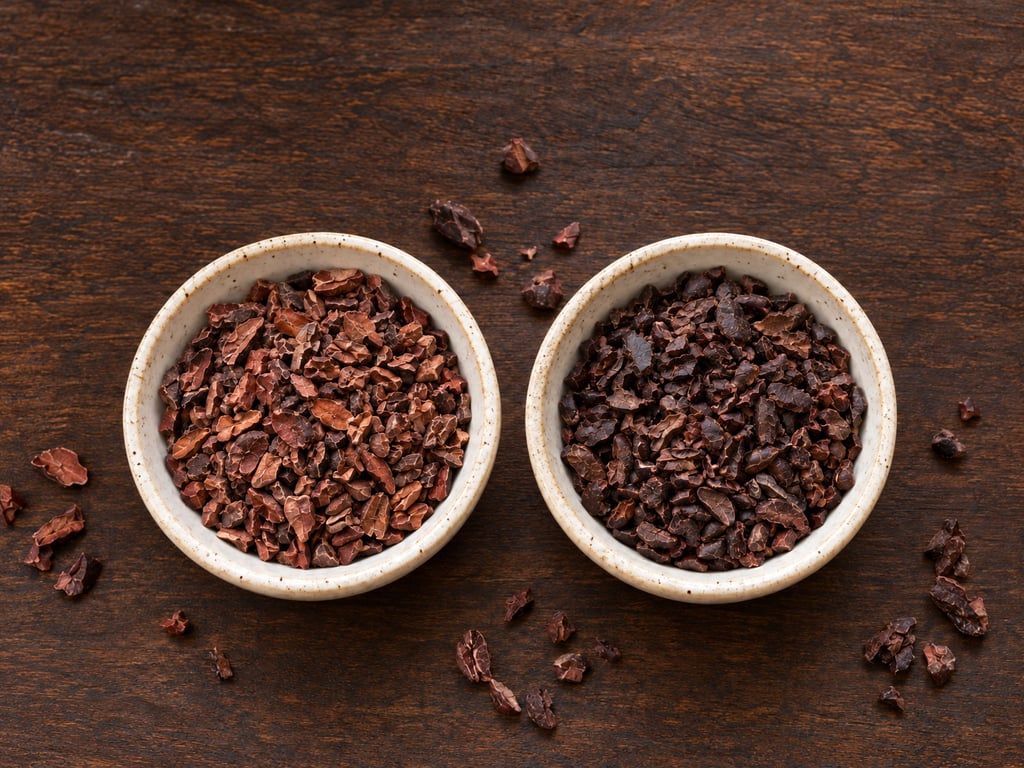
Two bowls of cacao nibs with different roast colors
Usual finish240°F · 116°C
This kit252°F · 122°C
Includes milk powder
02 / 05February 2026

Find the sweetness you prefer

80% Bolivia Wild Harvest Tranquilidad

This kit invited makers to hold back half of the sugar at first, taste the more intense chocolate, and add more until they found a balance they liked. The recipe became a small experiment in preference: how much sweetness helps you enjoy this particular cacao?

What it explores Cacao percentage, sweetness and personal taste.
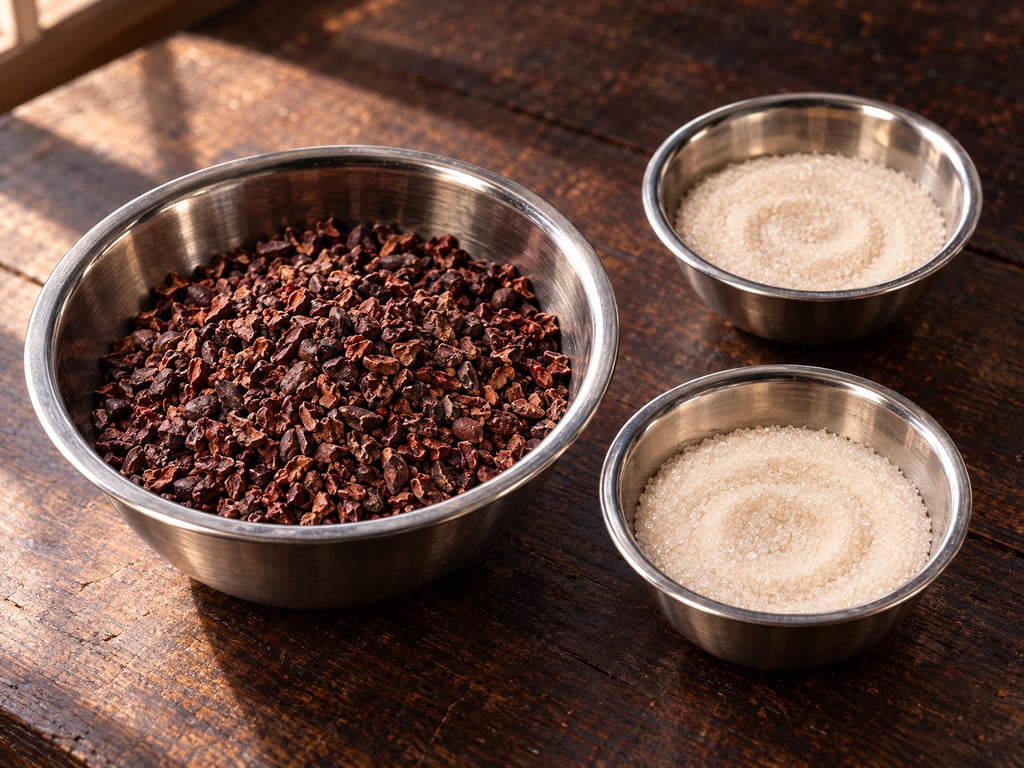
Cacao nibs beside two equal portions of sugar, with half set aside
Hold back half the sugar
Cacao 89%Sugar 11%
The full recipe
Cacao 80%Sugar 20%
First taste is about 89% cacao
03 / 05March 2026

When the answer was no extra cocoa butter

80% Bolivia Heirloom Felix Paredes

The development question was how much added cocoa butter this cacao needed. After trying it, the answer was none. The final recipe used cacao nibs and sugar, with careful warming and gradual additions to get the batch moving.

What it explores Texture, flow and the fat already present in cacao.
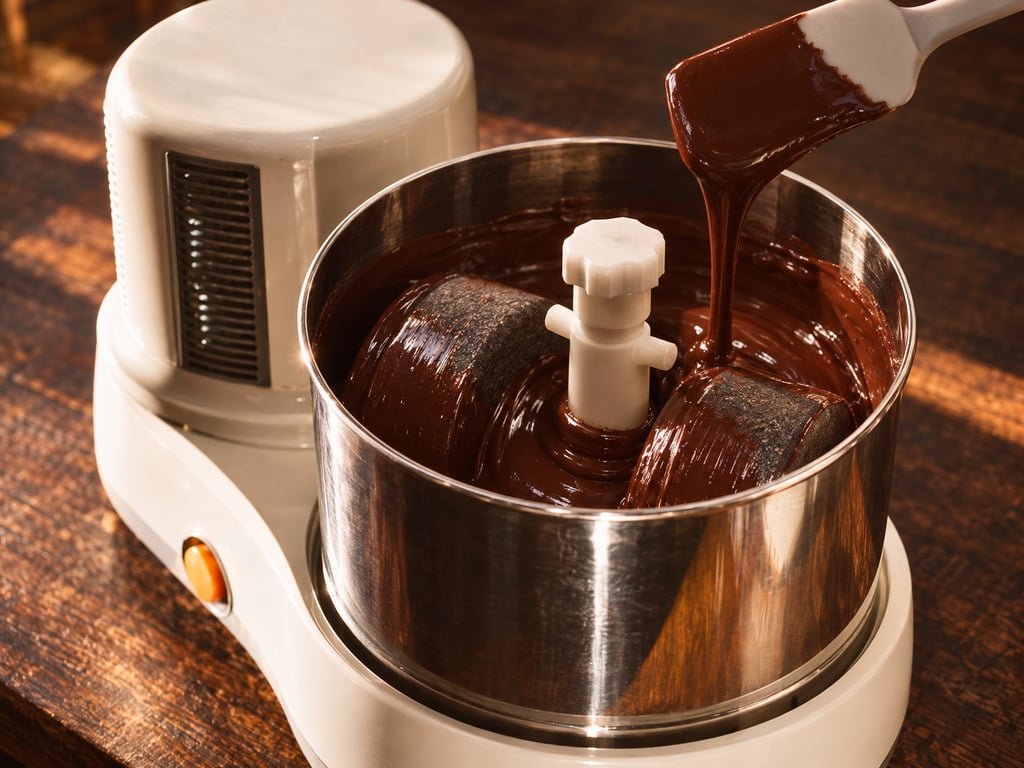
A ribbon of dark chocolate falling into a melanger
The whole recipe
Nibs 80%Sugar 20%
Added cocoa butter: noneNot fat-free: nibs carry their own
04 / 05June 2026

How much milk lets the cacao speak

62% Madagascar Sambirano Valley milk chocolate

Trials with different milks and proportions explored how to make a milk chocolate while keeping the cacao’s subtleties perceptible. More milk could obscure those details. The selected recipe used whole milk powder and a balance of sugar and milk intended to preserve the origin’s character.

What it explores The relationship between cacao, milk, sweetness and texture.
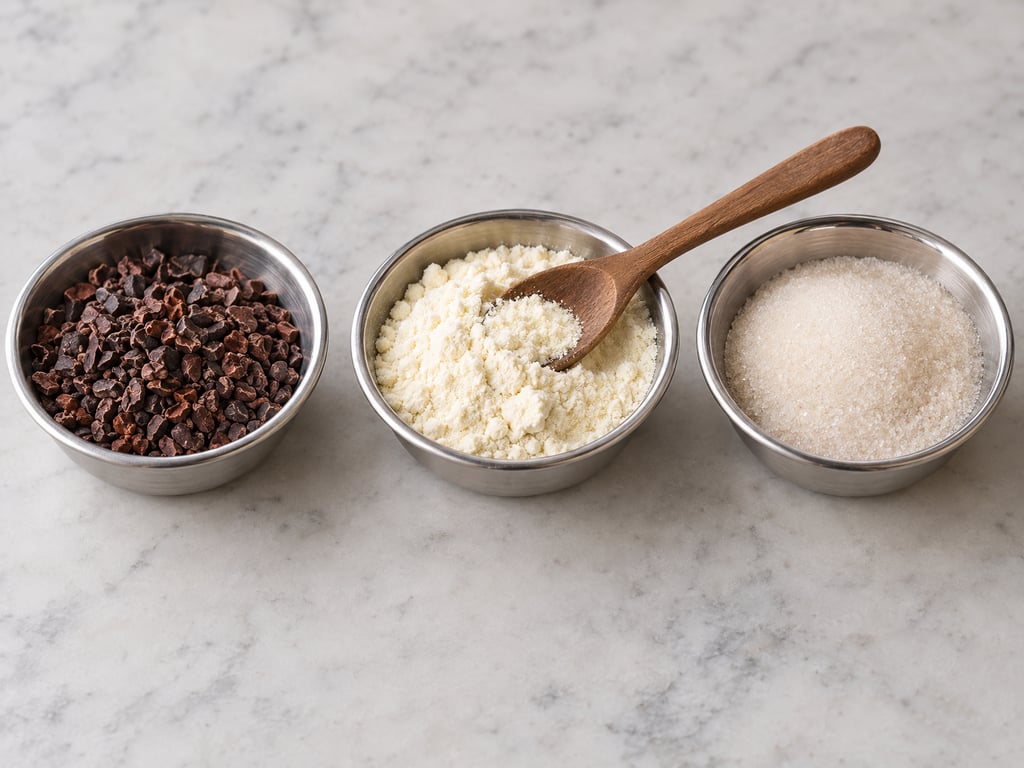
Three bowls of cacao nibs, milk powder and sugar with a wooden spoon
62% cacaoWhole milk powderDifferent milks were tested in development
05 / 05September 2026

A spice blend with a reason to be there

62.5% Vanuatu Malekula spiced milk chocolate

Ancho, Guajillo and a little cinnamon were paired with Vanuatu cacao in a milk chocolate. The development notes also describe trying the spice idea with Mexico Camino cacao in a darker formulation. Vanuatu was selected for this kit, giving members a different direction from the Camino recipe featured earlier in the year.

What it explores How spice, cacao and milk work together, and how an origin can change the result.
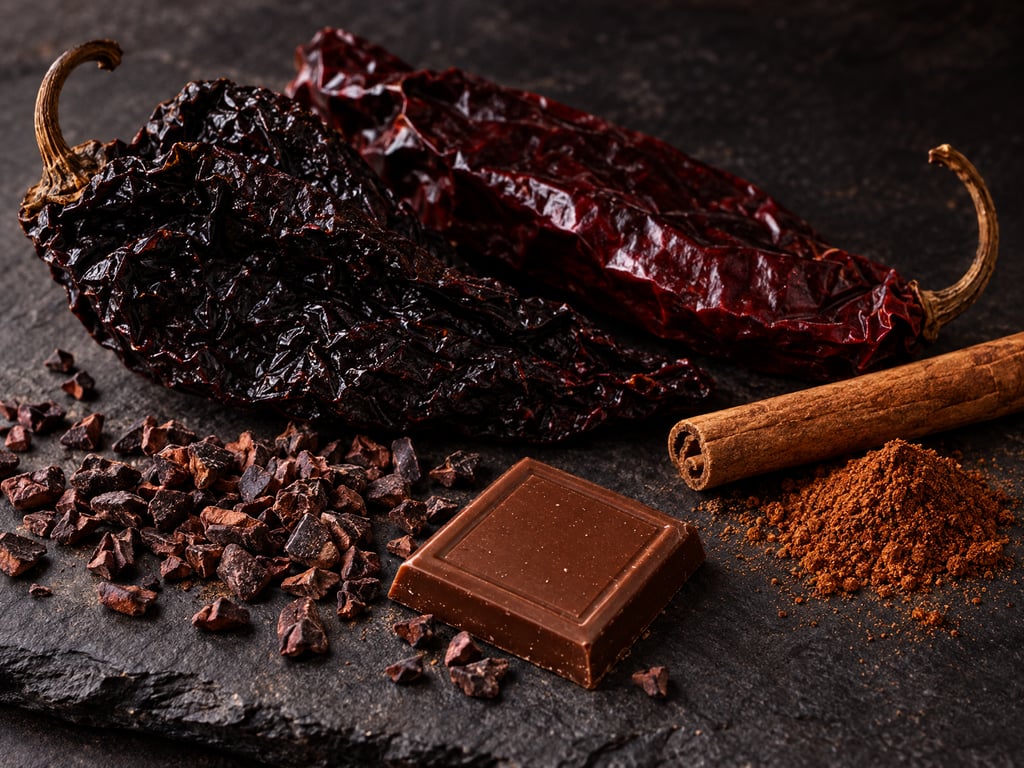
Dried ancho and guajillo chiles, cinnamon and milk chocolate
The chile blend
Ancho 90%Guajillo 10%
Plus a little cinnamonThe chile addition can be reduced

These are just a few examples of the kits and explorations you might find in the club.

January 2025 · 60% Coffee Milk Chocolate

From coffee experiments to a monthly kit

John’s experiments with coffee and chocolate led to a milk chocolate built around Ivory Coast cacao and roasted Peru Jaen Alianza Mikan coffee. The recipe explored how much coffee to add and how to keep it in balance with the milk and cacao.

What it exploresCoffee selection, roast and proportion in chocolate.
Read John’s January 2025 article →
Coffee beans and cacao nibs beside black coffee and milk chocolate

JaniceJanuary 2025 Coffee Milk Chocolate kit
Questions

Frequently asked questions

Is this suitable for a beginner?

Yes, for a new maker who has a melanger and is ready to follow the instructions. The cacao preparation and ingredient measuring are done for you. Some basic kitchen work, machine setup and chocolate-making understanding are still useful. Our complete chocolate-making guide is a good companion to your first batch.

Do I need a melanger?

Yes. A melanger is required to refine the ingredients into smooth chocolate, and it is purchased separately.

Do I have to roast cacao or weigh ingredients?

The cacao arrives roasted and winnowed, and the recipe ingredients are measured. Follow the included instructions for warming, the order of additions and any optional adjustments.

What size kits are available?

Kits come in 2 lb and 7 lb sizes. You’ll find current prices and one-time or subscription options on the product page.

How long does it take to make the chocolate?

Many batches refine overnight or for about a day. The exact time depends on the recipe, your melanger and the texture you want. Follow the instructions supplied with your kit.

Will the chocolate be ready to turn into bars?

Your melanger produces untempered chocolate. For finished bars with the shine and snap of tempered chocolate, temper it and then fill your molds. You can also use or store the chocolate for other purposes.

Is every month dark chocolate?

Recipes vary. Past kits include dark chocolate, milk chocolate, oat and soy milk formulations, different sweeteners, blends and spices. Each month’s kit follows the recipe selected for that exploration.

Can I choose the recipe?

The club features one curated kit each month. The monthly recipe is the shared exploration; the size is your choice. For other kit choices, browse the chocolate kits collection.

Do I have to place an order every month?

Choose the subscription option and sign up once. Your recurring order is processed monthly on the 20th.

When should I place my order?

To be safe, order by the 19th for that month’s kit. Kits are scheduled to ship on the 20th. Orders placed on the 20th may still be included if kit preparation has not begun, but the 19th is the safer choice.

Can I try it without subscribing?

The current product offers both a one-time purchase and a subscription. Select the purchase option you want on the product page; review the order details before checkout.

Can I skip or cancel?

Yes. You can skip a month or cancel your subscription. The order confirmation emails provide links to manage it. See the subscription policy for the current terms.

Will every kit suit my dietary needs?

Ingredients change from month to month. Past kits have included dairy, soy, oats, spices and alternative sweeteners. Check the specific kit’s ingredients before ordering; the club does not promise a fixed dietary formulation.

January 2022 to September 2026

Past kits

Here’s a look back at 57 monthly kits. Some are no longer for sale. The marked ones have an especially interesting experiment behind them.

2022
2023
2024
2025
2026
2026 9 kits
  1. Jan
    Notable experiment: 72% India Idukki Hills Noah tested a warmer, conventional roast against the bean’s usual approach.
  2. Feb
    Notable experiment: 80% Bolivia Wild Harvest Tranquilidad Instructions invited makers to hold back sugar and explore their preferred sweetness.
  3. Mar
    Notable experiment: 80% Bolivia Heirloom Felix Paredes Cocoa butter trials led to a recipe with no added cocoa butter.
  4. Apr
    62% Mexico Agua Escondida milk chocolate Milk choice and quantity were adjusted to preserve the cacao’s character.
  5. May
    79% Mexico Camino Cacao Tasting led from an initial 75% recipe to 79%.
  6. Jun
    Notable experiment: 62% Madagascar Sambirano Valley milk chocolate Milk and sugar balance explored how much of the origin remained perceptible.
  7. Jul
    75% Fiji Rakiraki A new crop provided a fresh comparison with a familiar origin.
  8. Aug
    75% Ecuador Costa Esmeraldas A return to an origin with distinctive, individually perceived aromatic notes.
  9. Sep
    Notable experiment: 62.5% Vanuatu Malekula spiced milk chocolate Ancho, Guajillo and cinnamon explored spice, milk and cacao together.
2025 12 kits
  1. Jan
    Notable experiment: 60% Coffee Milk Chocolate Coffee, milk and cacao balance; development story published by John.
  2. Feb
    67% Bright Roast Tanzania Roast exploration.
  3. Mar
    70% Bolivia 3 Tribes
  4. Apr
    18K 65% Gold Chocolate
  5. May
    71.5% Uganda Semuliki
  6. Jun
    72% Mexican Camino Cacao
  7. Jul
    73% Fiji Rakiraki
  8. Aug
    78% Bolivia Heirloom #1 Felix Paredes Heirloom cacao exploration.
  9. Sep
    Mystery Chocolate
  10. Oct
    45% Middle Eastern Spiced Milk Spice and milk chocolate exploration.
  11. Nov
    THE BEST SPICED OAT MILK CHOCOLATE EVER Oat milk and spice exploration.
  12. Dec
    The SECOND best spiced dark chocolate ever. Spiced dark chocolate.
2024 12 kits
  1. Jan
    Valentine’s Day Special Dark Seasonal dark chocolate.
  2. Feb
    Ecuador Esmeraldas Oat Milk Cacao origin with an oat milk formulation.
  3. Mar
    72% Ghana
  4. Apr
    67% Peru Pangoa
  5. May
    Uganda Semuliki Oat/Cream Oat and cream formulation.
  6. Jun
    Ghana like Blend Blending exploration.
  7. Jul
    Tanzania S’mores Chocolate A familiar dessert idea explored through chocolate.
  8. Aug
    DR Zorzal 75%
  9. Sep
    Notable experiment: 42% Maillard Oat Milk A heat and oat milk theme. An older guide calls it 42% Toasted Oat Chocolate.
  10. Oct
    47% Cinnamon Harvest Chocolate Cinnamon formulation.
  11. Nov
    65.5% Scarborough Fair
  12. Dec
    70% Vanuatu
2023 12 kits
  1. Jan
    76% Alto Beni Double Dark Dark chocolate exploration.
  2. Feb
    72% Venezuela Cuyagua
  3. Mar
    75% Bicolor/Belize Cacao pairing.
  4. Apr
    75% Ivory Coast/Bicolor A second Bicolor pairing.
  5. May
    Notable experiment: Peru Ucayali roast comparison 1 of 2 First month of a two-part roast comparison.
  6. Jun
    Notable experiment: Peru Ucayali roast comparison 2 of 2 Second month of the roast comparison.
  7. Jul
    Notable experiment: Ecuador El Limon 60/75% Allulose Alternative sweetener and percentage exploration.
  8. Aug
    Philippines Dark Milk The overlap between dark and milk chocolate.
  9. Sep
    66% Anniversary Heirloom Bolivia Fruitcake spice Heirloom cacao with a fruitcake spice theme.
  10. Oct
    Spooky Spiced Mole Spice and mole theme.
  11. Nov
    Holiday Tradition Spiced Milk Seasonal milk chocolate.
  12. Dec
    67% Rounding the year out Blend Blending exploration.
2022 12 kits
  1. Jan
    74% Peru Piura
  2. Feb
    75% Ecuador El Limon
  3. Mar
    Notable experiment: 55% Buttermilk Colombia Arauca Buttermilk as a formulation variable.
  4. Apr
    74% Ghana
  5. May
    76% Venezuela Ocumare
  6. Jun
    78% Colombia Boyaca
  7. Jul
    72.5% The Big O
  8. Aug
    Notable experiment: Amethyst aka Ruby chocolate with soy milk An unusual chocolate style and soy milk formulation.
  9. Sep
    65% Republic of Congo
  10. Oct
    Notable experiment: 56–62% Ethiopian spice inspired choose your own adventure Recipe variation and a spice theme.
  11. Nov
    Holiday Gingersnap milk chocolate Seasonal spice and milk chocolate.
  12. Dec
    60% Peppermint Dark Chocolate Peppermint and dark chocolate.

Make the next batch with us.

Bring your melanger and your curiosity. We’ll bring a new recipe, prepared ingredients and the instructions to make it.

Buy one or join the Kit of the Month club.

Chocolate refining in a melanger on a warmly lit workbench