
Ask the Alchemist #340
"I have been ordering little dark chocolate squares containing powdered spices and essential oils for medicinal purposes. I’m trying to re-create them so I can control the levels of spices/oils, and the problem is the ones I’m making melt easily when shipped in hot temps (I’m tempering dark chocolate, then adding spices/oils and pouring into little square molds).The ones I’ve been ordering do not melt when shipped in heat, and I’ve been trying to figure out the constitution. They have a lot of powder in them, and water is listed in the ingredients. I think they may have caused the chocolate to seize up on purpose and then press it into little square molds so it doesn’t liquefy easily. When I place those chocolates in a double boiler to try to break them down, they basically just become a powder, not smooth at all. When I add a few drops of water, they do get smoother and I can squish it back into a square again, although it is much softer than the original chocolate square. Any thoughts on this or how to do it?I hope this makes sense! In summary, I’m trying to figure out how to make chocolate molds that can ship easier in hot weather without melting. I know it can be done, because I’ve been ordering some and they withstand the heat. Any ideas?"
I have to tell you that I’m honestly a bit confused as by all accounts you know what is happening. You said it yourself.
I think they may have caused the chocolate to seize up on purpose and then press it into little square molds so it doesn’t liquefy easily.
About all I can confirm is that if they have water listed as an ingredient and it acts like seized chocolate then that is probably the case. You know, if it sounds like a duck, and it looks like a duck, it is probably a ducking duck.

Red Herrings & Chocolate Identity Crisis
Well, there is one other thing you say, and can be excused for it, is that you are referring to it as chocolate. In some form you are technically correct. It is seized chocolate but that is more of a description of defect and not so much a thing. It is rather an oxymoron. It would be a tad more accurate to say the chocolate confection/creation was made by seizing some chocolate. Once it seizes it stops being chocolate.
Why am I being ducking pedantic? Words and accuracy matter. They matter because by using specific and accurate words you can occasionally circumvent assumptions that might have you ducking chasing a red herring down a path.
I have heard the lady who makes the ones I order say she tempers the chocolate and that she presses it into the molds.
As soon as I read this I said to myself, ‘self, she didn’t temper anything because that sh!t is seized and by definition you can’t temper it and you should never have to press chocolate into a mold. It should flow.’.
What Is Tempered Chocolate?
Some definitions and facts are in order, I promise it is important.
Bingham plastic: A fluid that requires a minimum shear stress (yield stress) to initiate flow.
Rheopectic liquid: Becomes more viscous over time when stressed.
Chocolate is a Bingham plastic. I talk all about this in my Ask the Alchemist 317 where I talk about viscosity. Once you mix chocolate with water, it becomes a rheopectic liquid. This transformation is called seizing.
Tempered chocolate has:
Reversibility – can be melted and re-tempered infinitely.
A majority of a specific crystal structure – typically Type V
Still behaves as chocolate – i.e., is a Bingham plastic
We can continue on to say that temper can also be defined by the melting point of the chocolate. Due to how many ingredients can be in chocolate it is not one value but a range and for the sake of this conversation we can safely say chocolate will melt over 92 F. If something is not melting when heated when chocolate would, the conclusion is that it is not tempered chocolate and the property you are seeing here is both the non-reversibility of tempering and that it is no longer a bingham plastic.
I’ll be honest, I probably didn’t have to go down the path but clearly I felt it was important so that you were armed with knowledge of just what tempered chocolate is and arguably more important what it isn’t.
Years and years ago I met with Frederick Shilling who started Dagoba Chocolate. During our conversation he mentioned that you could add anything to chocolate and my brain SHOT to water and I said so. He very quickly dismissed that as ‘everyone knows you can’t do that’. That is frankly how the not quite totally accurate descriptors of snap and shine came about. It was shorthand to folks who knew the conversation was about classic refined chocolate and that condition didn’t have to be stated. Everyone in the know knew water and chocolate should never meet.
Everyone knew that:
No water was added.
No large amount of unrefined powders or additives were added.
No alternative oils that inhibit tempering were added.
But this very young bean to bar crowd, in many cases, do not have the basics down so all they here are tidbits and shorthand and take them as the whole truth.
I took logic in college. One of the classic examples was Ducks have feathers, that bird has feathers, it must be a duck. Wrong. It is instead Ducks have feathers, that bird has feathers, it MIGHT be a duck.
Tempered chocolate has snap and shine — but not everything with snap and shine is tempered chocolate.
The Bohr Model of Lies
There is a lecture I used to do with 8th graders where I announce to them that today I will be lying to them. It never fails to get a rousing response of disbelief. I explain what the Bohr model of the hydrogen atom is and that it is like a miniature solar system and with the proton being the Sun and the electron being a planet.
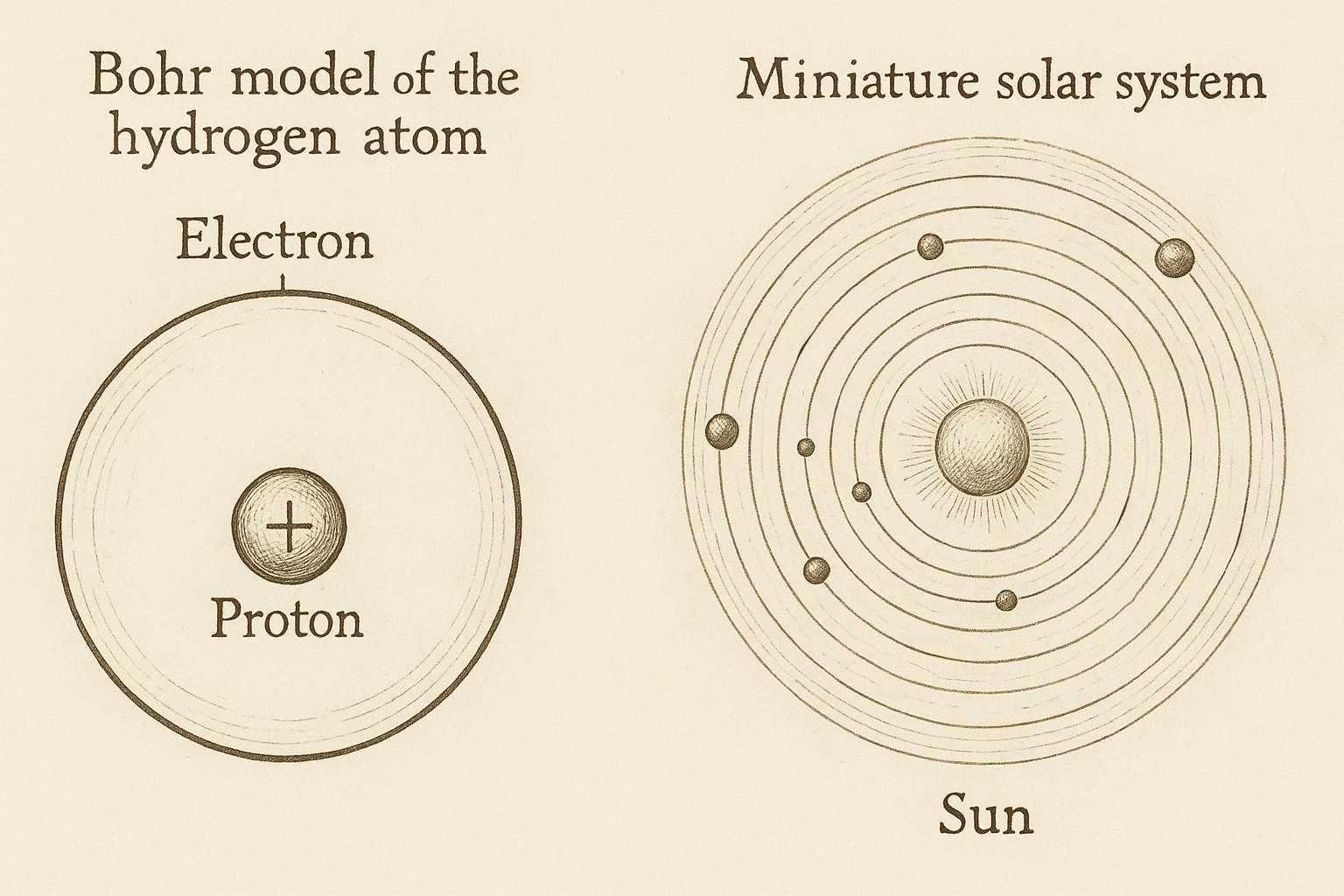
They nod, go yeah, we know that, and I promptly inform them they have been lied to. That it is really more like this nebulous probability cloud but that can be a little difficult to understand....but they kind of nod again.

I then say this too is a lie and the truth looks more like this:
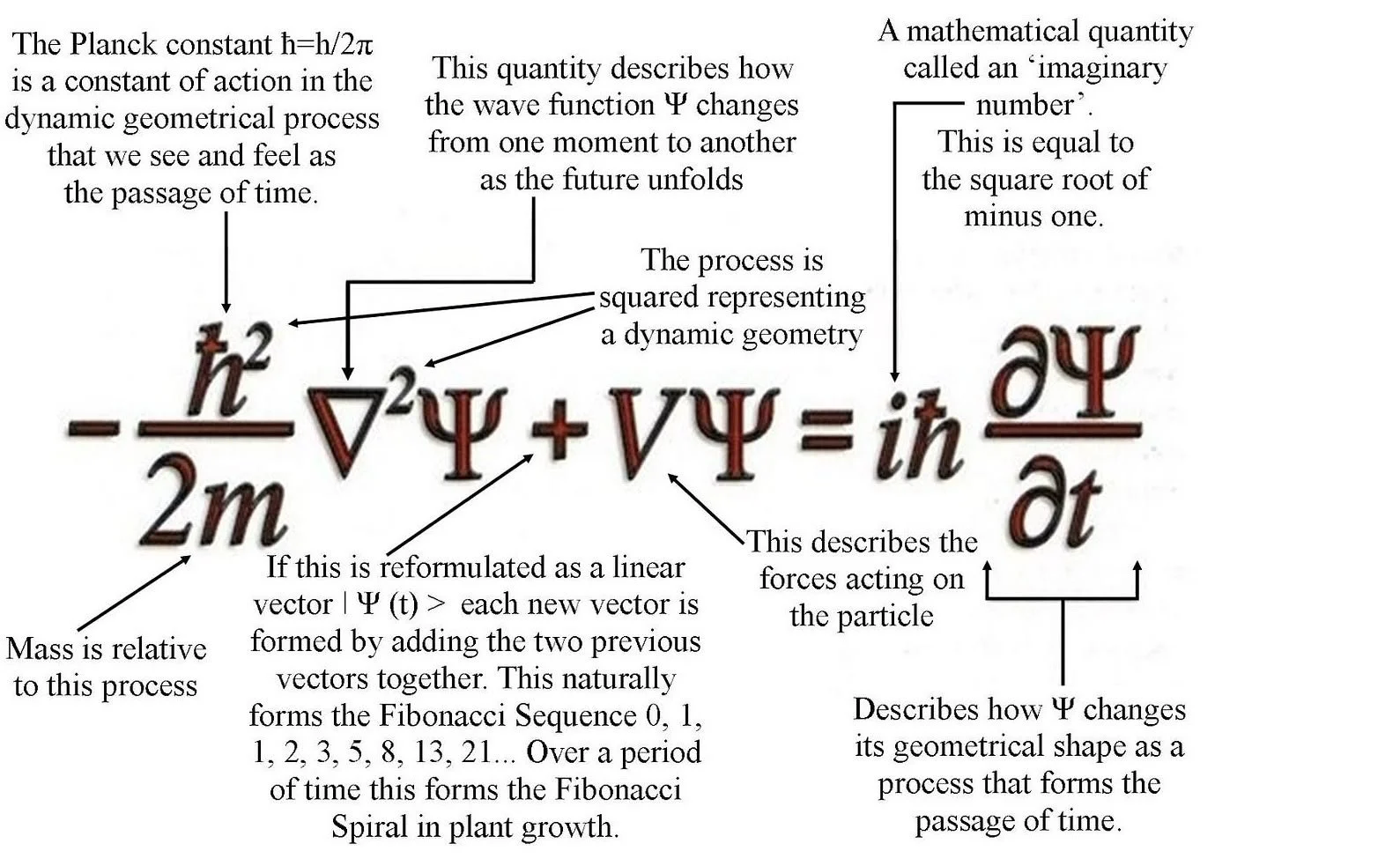
But we don’t explain it that way initially as it would not be helpful because it would melt their brains since they don’t have the background to come close to understanding it. I finish up with explaining what I meant by lie is this. It is not the whole truth because they can’t currently handle the whole truth. It is a lie but also purposeful omission for the sake or conveying a concept, not as a way to be deceitful.
That is were we are with tempering and honestly so much of chocolate. The internet spits out the equivalent of the Bohr model and people are not equipped to deal with the situation when reality comes knocking.
But I also can’t always just give everyone the ‘truth’ or they look at me like this.

Re-framing the Question
The chocolate pre-water addition was chocolate and did exactly what would be expected of it with the addition of water... it seized and had to be pressed into molds like no chocolate should ever have to be.
It has powders in it so it also isn’t going to act like refined chocolate. It doesn’t melt like chocolate because it can’t since it is no longer chocolate and it isn’t tempered, again, because if it were, it would be reversible and would melt. There is no real mystery here. It’s just someone not catching the trick in the puzzle.
The answer to the question (maybe)?
If the question is how do i make this non chocolate substance...well, you don’t need me. You already stated the answer yourself.
Add water, and have it do what you expect it to do and what science tells you it will do. Just don’t think it is chocolate or tempered and you are good to go.
One little pro tip: by adding water you are also getting rid of the reason that chocolate is shelf stable. There is a measure of the potential of something going bad called its Water Activity. The more water the more chances something will grow / spoil. It is good to be aware of this. This is why ganache and probably that woman’s ‘chocolate’ probably stated it needed to be refrigerated.
Bonus: The Honey Chocolate That Wasn’t
I did an experiment where I reproduced a video where someone made “chocolate” like this:
Melt 175g raw cacao butter
Whisk in 75g raw cacao powder
Bring to 115°F
Add 50–80ml liquid sweetener (honey or corn syrup)
Add 1–2 tsp vanilla extract (in ethanol and water)
Stir in a pinch of salt
Cool to 84°F, then heat to 88°F
Pour into mold and freeze
When I did it, the texture completely changed but because of the high cocoa butter percentage (over 50%), the seizing just granulated the mix instead of stiffening. Really reviewing the video I can see it happened to her too. The ironic thing in the video she talks about how important it is not to add ANY water to the chocolate but has just added honey to it. OY!
It mostly looked like chocolate. It hardened (in the freezer). It melted fast (at room temperature). It had a funny mouthfeel. But it wasn’t tempered and it wasn’t chocolate. At this point you know why.
Final Takeaways
Tempered chocolate:
Is reversible
Has a defined crystal structure
Behaves as chocolate (Bingham plastic)
If it melts weird, doesn’t re-temper, and was made with water — it ain’t chocolate anymore folks.
Melted chocolate has water added, it seized, it would not melt and is thick. Yeah, that is what you would expect.
There is no mystery here, just a world full of assumptions, lies (partial truths), implied knowledge and hard earned experiences all being crammed into a few commonly used (and misunderstood) words. It’s no wonder there is confusion out there.
